Restitution Workshop of the Final Report of the Institutional and Operational Audit of the Specialized Institutions and Agencies of ECCAS
On 25 July 2023, an important event took place at the headquarters of the Economic Community of Central African States (ECCAS) in Libreville, Gabon. This event, chaired by His Excellency Ambassador Gilberto Da Piedade VERRISSIMO, President of the Commission, assisted by Commissioners and other officials, marked the end of an institutional audit process and operated...
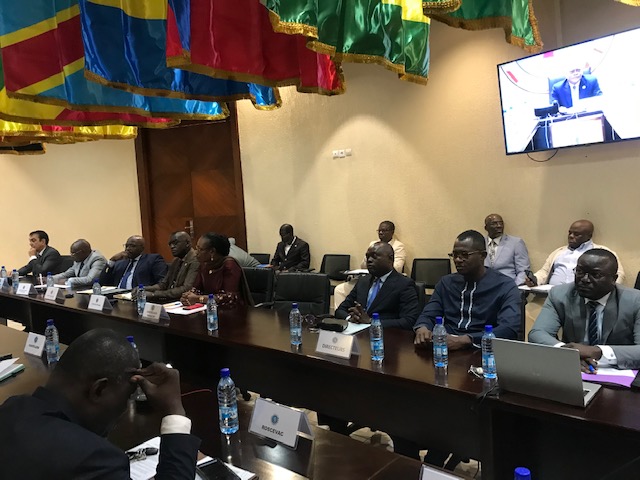
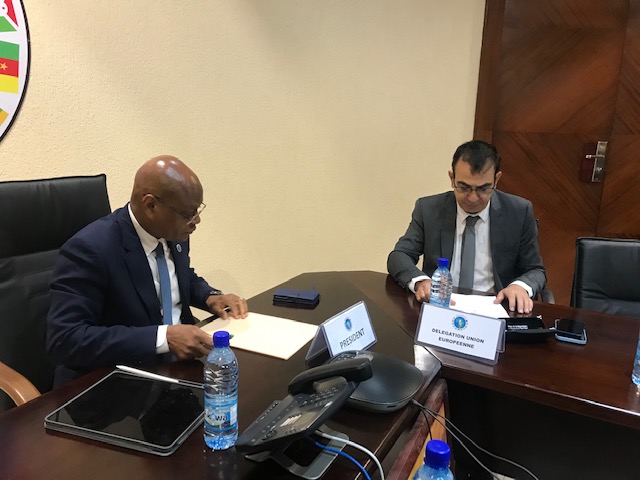
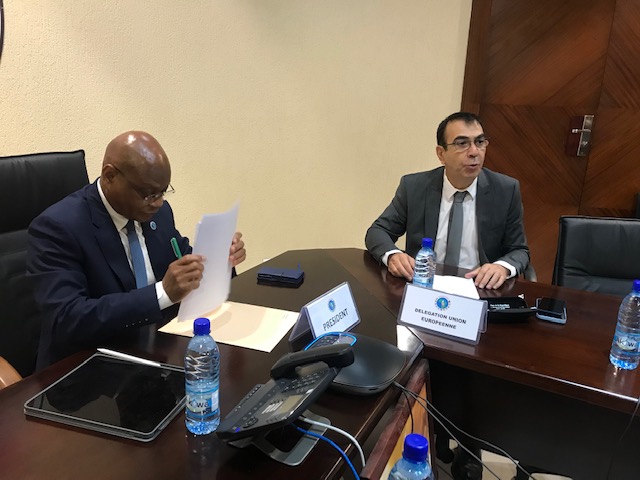
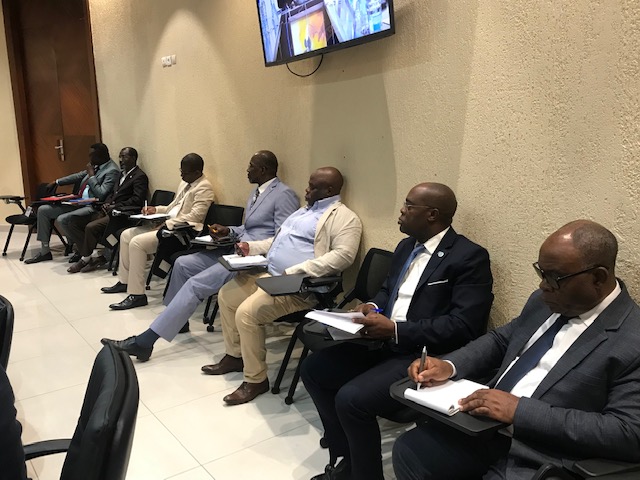
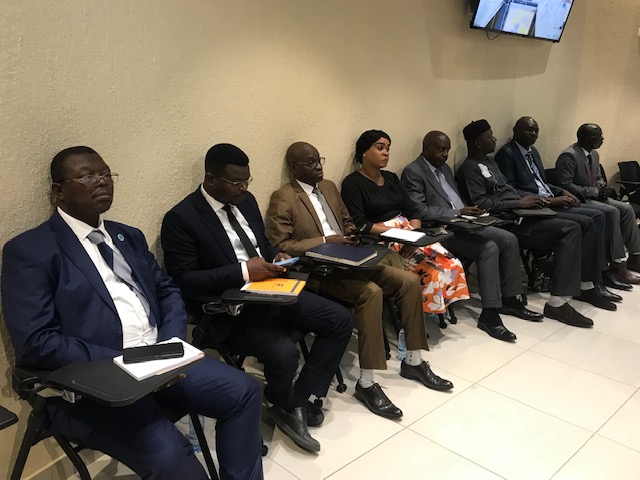
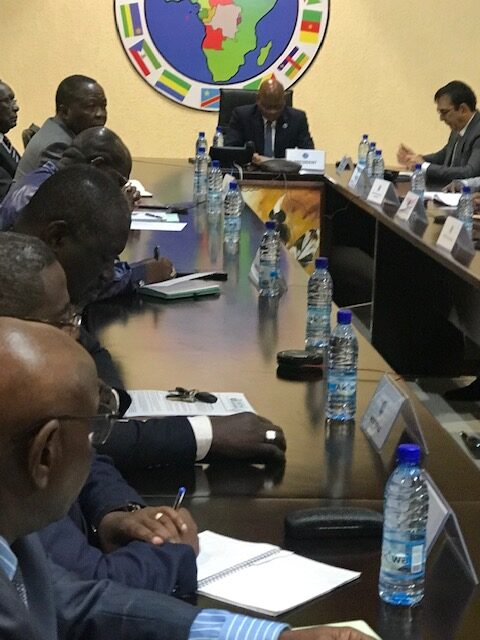
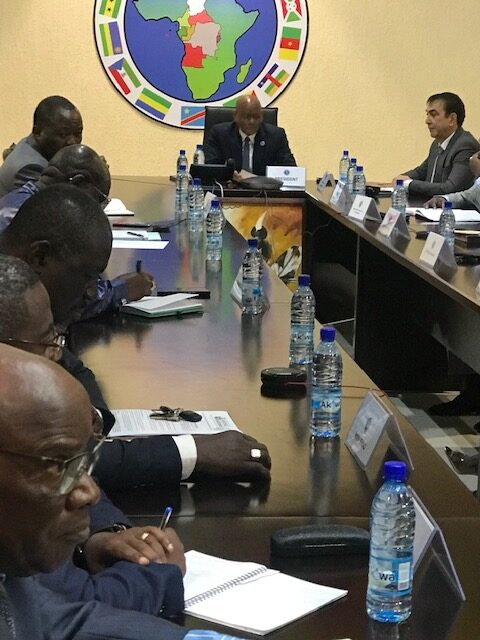
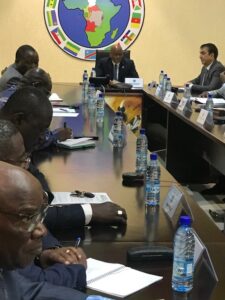
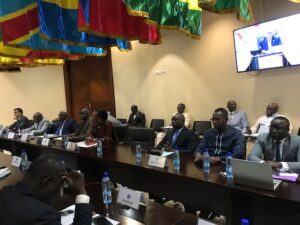
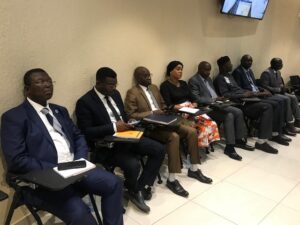
 On 25 July 2023, an important event took place at the headquarters of the Economic Community of Central African States (ECCAS) in Libreville, Gabon. This event chaired by His Excellency Ambassador Gilberto Da Piedade VERRISSIMOPresident of the Commission, assisted by Commissioners and other officials, was the outcome of an institutional and operational audit process in the specialized agencies and implementing agencies of ECCAS. The workshop for the final report of the audit brought together senior officials, experts and stakeholders to present results, discuss conclusions and identify measures to improve the effectiveness and governance of these organizations.
Background to the ECCAS audit:
ECCAS is an intergovernmental organization aimed at promoting economic cooperation and integration among Central African countries. To achieve its objectives, ECCAS relies on several specialized agencies and implementing agencies that play a key role in the implementation of its programmes and initiatives.
However, with the rapid evolution of regional and global challenges, it has become imperative for ECCAS to ensure that its institutions are well structured, effective and resourced to fulfil their mission. In this context, the decision to undertake an institutional and operational audit was taken.
Objectives of the restitution workshop:
The restitution workshop had several key objectives:
- Presentation of audit results: The audit teams presented in detail the results of their evaluation of the specialized agencies and implementing agencies. The areas examined included governance, organizational structures, business processes, human resources, financial management and compliance with ECCAS policies and regulations.
- Discussion and discussion: Participants had the opportunity to ask questions, clarify specific points and engage in discussions with the auditors. This was crucial for a thorough understanding of the findings and recommendations of the report.
- Identification of priorities for action: The workshop enabled senior officials of the institutions and agencies to identify priority actions to strengthen their functioning and contribution to the achievement of ECCAS objectives.
- Commitment to Transparency: The return of the report in the presence of stakeholders increased the transparency of the audit and highlighted ECCAS's commitment to improving the accountability and management of its institutions.
Restitution Highlights:
 The workshop was rich in discussions and exchanges of ideas. The audit results showed that some specialized agencies were well aligned with ECCAS objectives and played a key role in achieving its vision. However, gaps have been identified in other organizations, including governance, internal coordination, and resource management.
Key challenges also included the need to improve inter-agency collaboration, strengthen staff capacity and establish more effective monitoring and evaluation mechanisms.
Towards a more promising future:
The restitution workshop was a crucial first step towards improving the governance and effectiveness of ECCAS specialized agencies and enforcement agencies. The officials present expressed their willingness to actively engage in the implementation of the recommendations contained in the audit report.
By adopting a collaborative approach and working hand in hand with stakeholders, ECCAS demonstrates its determination to transform challenges into opportunities for stronger regional integration and increased prosperity for Central African countries.
The future of ECCAS is undoubtedly more promising thanks to the collective effort to strengthen these institutions so that they can better meet the aspirations of the peoples of Central Africa and meet regional challenges with determination and success.