Pre-launch ceremony to celebrate the 30th anniversary of ECOFAC
Libreville, Gabonese Republic, 10 June 2022– The capital of the Gabonese Republic has hosted the pre-launch ceremony of the celebration of the 30th anniversary of the Regional Programme of Support for the Preservation of Biodiversity and Fragile Ecosystems of Central Africa (ECOFAC) by the Commission of the Economic Community of Central African States (ECCAS) ..
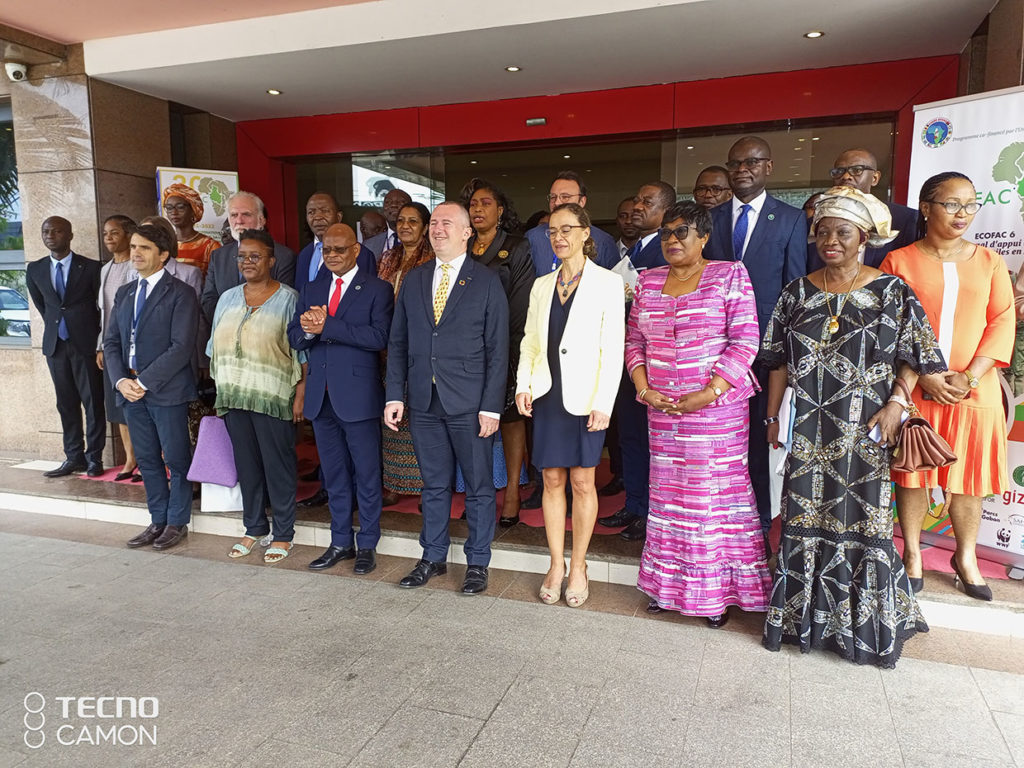
Libreville, Gabonese Republic, 10 June 2022– The capital of the Gabonese Republic hosted the pre-launch ceremony for the celebration of the 30th anniversary of the Regional Programme of Support for the Preservation of Biodiversity and Fragile Ecosystems of Central Africa (ECOFAC) by the Commission of the Economic Community of Central African States (ECCAS) and the Delegation of the European Union to Gabon, Sao Tome and Principe.
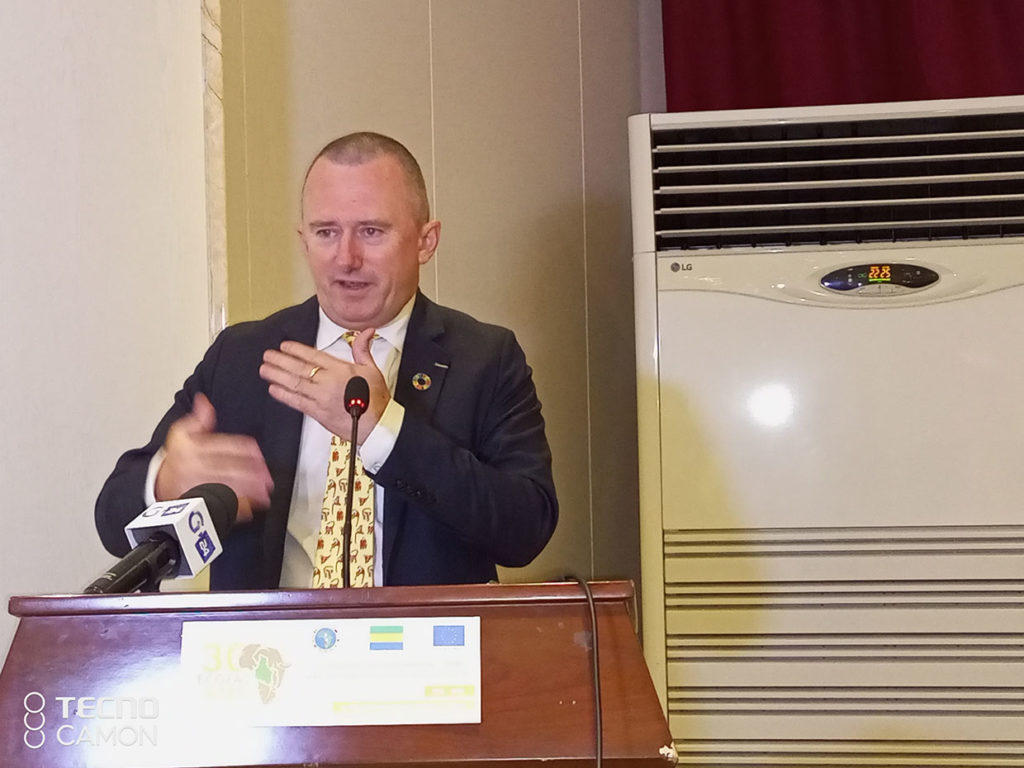
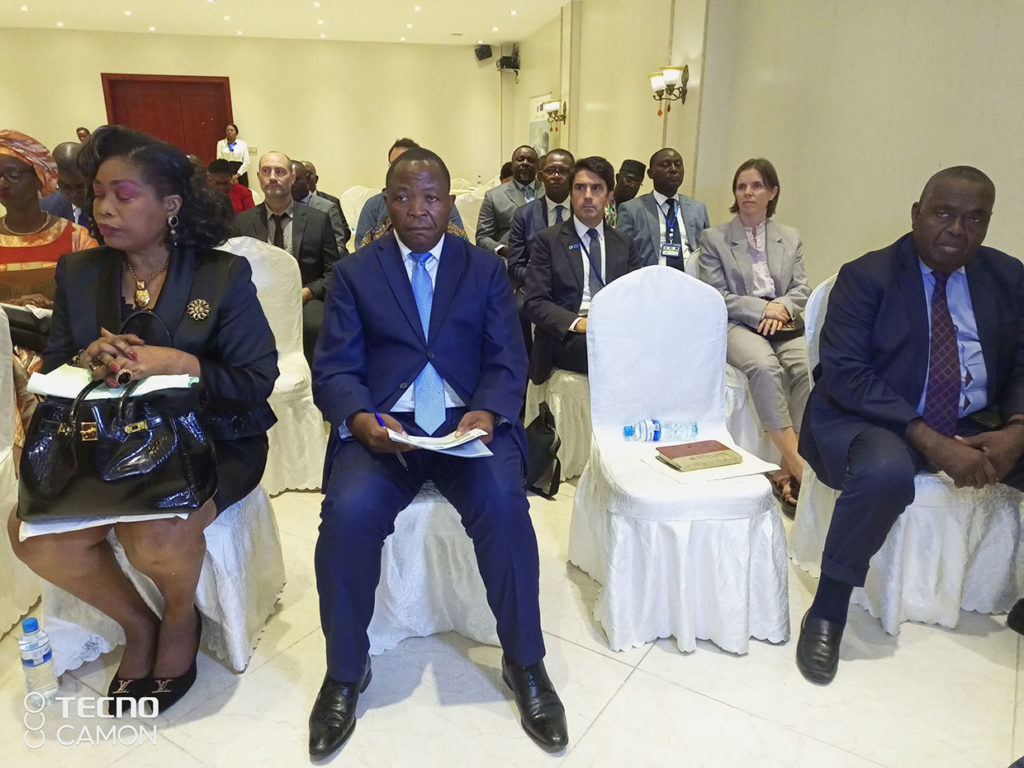
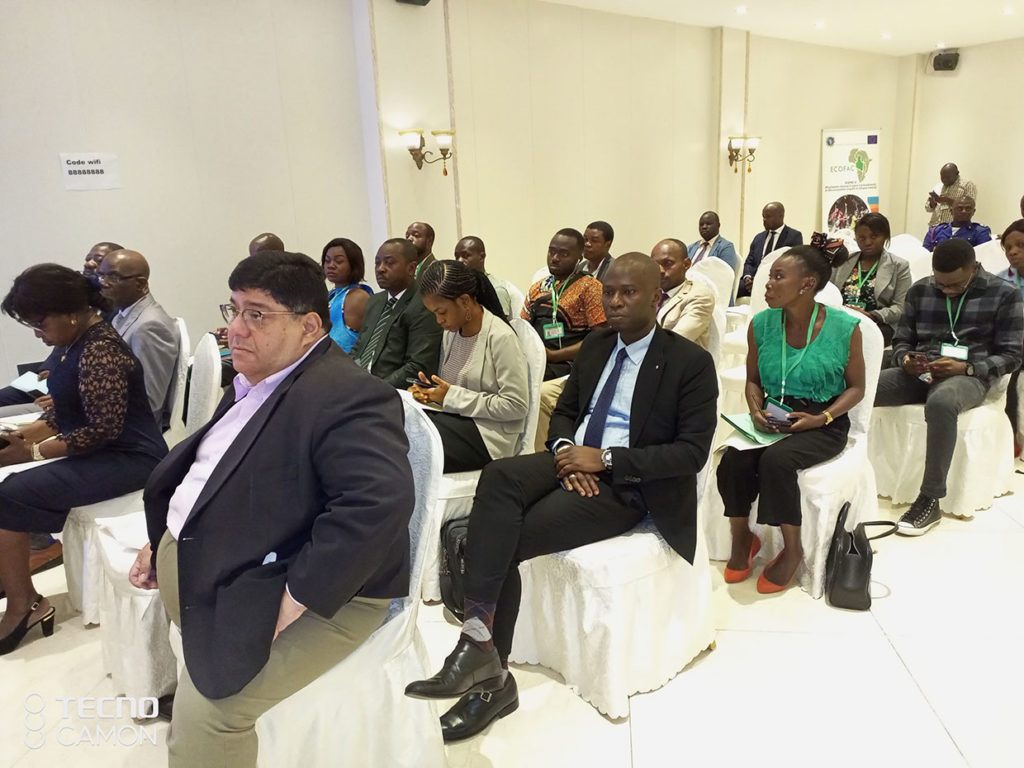
The ceremony was chaired by the Professor Lee WHITE, Minister of Waters and Forests, the Sea, the Environment, responsible for the climate plan, and the land use plan of the Gabonese Republic in the presence of the Chairman of the ECCAS Commission, Ambassador Gilberto Da Piedade Verissimo, of Madame Rosario BENTO PAISAmbassador and Head of Delegation of the European Union to Gabon, Sao Tome and Principe and ECCAS of the Commissioners of the ECCAS Commission, representatives of the Diplomatic Corps of ECCAS member States, international organizations, representatives of the private sector and civil society.
Interventions
The opening ceremony was punctuated by four interventions:
- Statement by the Representative of Civil Society,Ms EDWIGE EFFAPresident of the National Forum of Forest Ecosystems Denses et Humides d'Afrique Centrale (CEFDHAC) of Gabon;
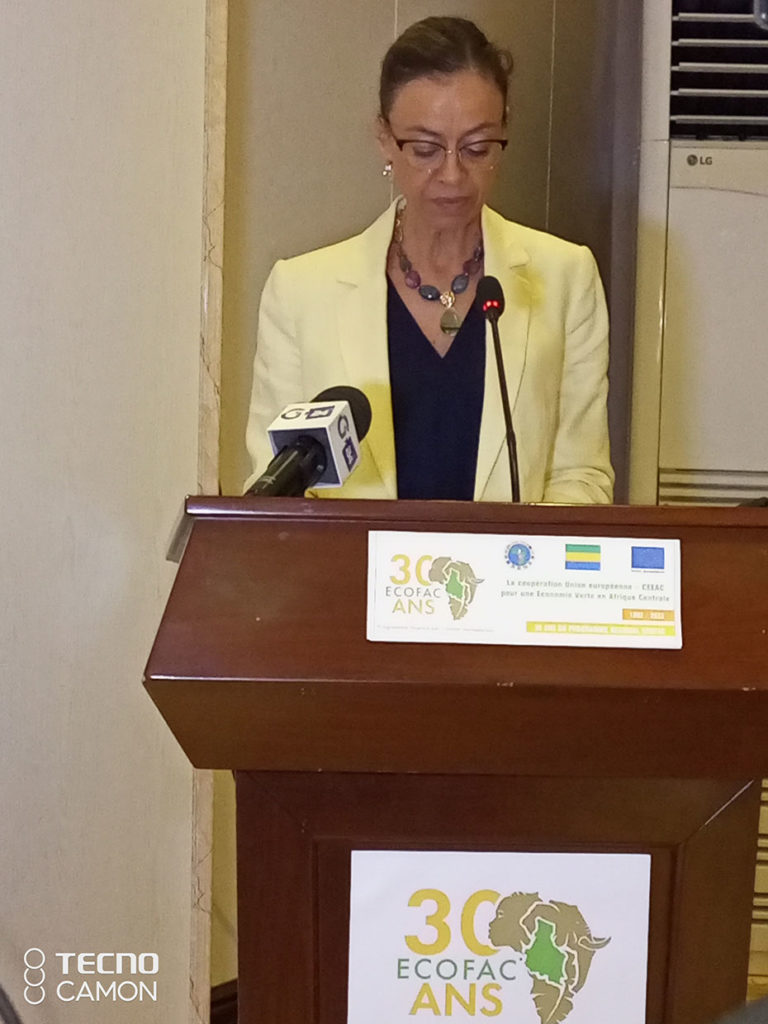
- Address by Madame Rosario Bento PAIS, EU Ambassador in Gabon, Sao Tome and Principe and ECCAS;
- Address by the Ambassador Gilberto Da Piedade VERISSIMOPresident of the Commission of the Economic Community of Central African States (ECCAS);
- Speech by the Professor Lee WHITE, Minister of Waters, Forests, the Sea, the Environment, responsible for Climate Plan, Sustainable Development Goals and Land Development Plan.
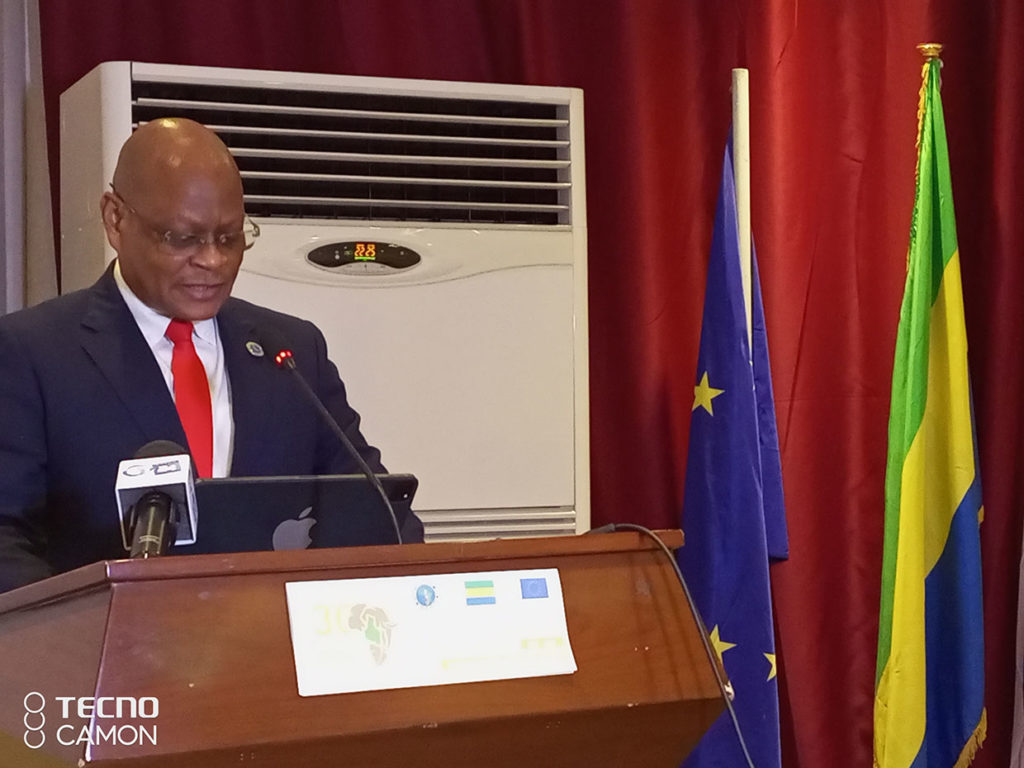
These four interventions were followed by two technical presentations:
- Brief historical overview of the 30 years of ECOFAC for the subregion, by the Doctor Honored TABUNACommissioner in charge of the Environment Department, Natural Resources, Agriculture and Rural Development (DERNADR) of ECCAS;
- Then brief information on the results and areas of funding of ECOFAC 6 by Mr. Maxime Nzita, Regional Technical Assistant, Head of Mission.
Financing
Funding for the ECOFAC Regional Programme is estimated at €250 million over 30 years. Many partners from all sectors involved (States Managers of Protected Areas, International NGOs, private, Regional, national and local Civil Society Organisations) have been mobilized through hundreds of signed contracts.
Benefits
Launched since 1992, the ECOFAC Regional Programme is the expression of three decades of enhanced close cooperation between the Commission of the Economic Community of Central African States (ECCAS) and the European Union, as well as the respective Member States.
It is the result of the commitments made by the European Union, in the framework of its Development Assistance Policy (EDP), the ACP-EU Cotonou Agreements and those of sub-regional cooperation, defined by the 'Programme for the Development of Small and Medium-sized Enterprises'.s Regional Indicators (RIPs)" in Central Africa, in the area of sustainable natural resource management.
The 11 ECCAS member countries have benefited from the benefits of the ECOFAC Regional Programme through, inter alia, the contribution to the financing of the green economy system in Central Africa (SEVAC) and interventions in high ecological value sites in seven (7) countries, thirty-one (31) protected areas and eight (8) landscapes, including cross-border protected area complexes, whose concerted management contributes to subregional integration, thus justifying successive EU investments.
This ECCAS/EU cooperation has contributed effectively to the structure of the socio-economic activities of the people of Central Africa and to shaping the political, diplomatic, institutional and operational landscape of the conservation and sustainable management of the ecosystems of the Congo Basin and its peripheral areas. It has been beneficial in key thematic areas such as: (i) the evolution of protected areas and improving the effectiveness of their management through innovative approaches and models; (ii) natural capital integrated into research, empirical know-how and knowledge; (iii) training and strengthening of human capital in the management of protected areas and the development of territorial dynamics and social change; (iv) active participation and inclusion of Aboriginal and Local Communities (ACAP), (v) institutional support and the development of environmental diplomacy.
The strategic and sustainable support provided over time by the European Union, in support of the efforts of ECCAS and its member States, has enabled, inter alia, the response to increasing threats and the many challenges related to the conservation of biodiversity, the contribution of Congo Basin forests to the global climate and the well-being of the peoples of the subregion and the creation of protected areas.
According to the State of Protected Areas 2020, Central Africa now has 206 protected areas. This represents 14.8% of the land surface and 5% of the sea surface of our subregion. These protected areas include cross-border protected areas such as the Tri National Sangha (TNS), which includes areas from three countries (Cameroon, Congo and Central African Republic), TRIDOM, which is formed by the protected areas of the Dja in Cameroon, Odzala Kokoua in the Congo and Minkebé in Gabon, the binational Lake Télé Lac Tumba, which includes Congo and DRC, and finally, the binational Mont Allen and Mont Cristal between Equatorial Guinea and the Gabonese Republic. For the ECCAS Commission, these cross-border protected areas can represent genuine spontaneous laboratories for economic development, free trade and regional integration. Trade and cultural exchanges have been taking place in these cross-border territories and landscapes for several years without hindrance or restriction.
ECCAS Gratitude and Commitments
While reiterating the deep gratitude of the ECCAS Commission and its Member States to the European Union for all the investments and multi-faceted support provided to the subregion during the 30 years, the Chairman of the ECCAS Commission assured that his institution would spare no effort to ensure that the cooperation between ECCAS and the European Union continued following the review and the light of the lessons learned. "The continuation of this cooperation will be carried out in accordance with the new institutional and governance framework of the Community's sectoral programmes and the institutional reorganization under construction, in accordance with the process of implementing the institutional and organisational reform of ECCAS", he stressed.
These programmes will concern, among other things, two new economies, the green economy and the blue economy, necessary for the diversification of the economies of the ECCAS member states taken into account in the Commission's Medium Term Indicative Strategic Plan 2021-2025. The "NaturAfrica" initiative, which will focus on the green economy and sustainable management of terrestrial ecosystems from 2022 onwards, and the "Oceans – Gulf of Guinea" initiative, which will focus on the blue economy and sustainable management of oceans, coastal zones and watersheds from 2024 onwards, will be the first test for a real paradigm shift since states, the private sector, civil society and people want changes that bring a real positive impact to the resolution of everyday problems, concluded Ambassador Gilberto Da Piedade Verissimo.