ECCAS shares its experience at the 2nd African Climate Summit
Addis Ababa, 9 September 2025 (Federal Democratic Republic of Ethiopia) - The ECCAS Commission organized a formal, high-level side event at the 2nd African Climate Summit (ACS2) from 08-10 September 2025 in Addis Ababa, Ethiopia. The international conference centre of the Ethiopian capital served as a framework for the ..
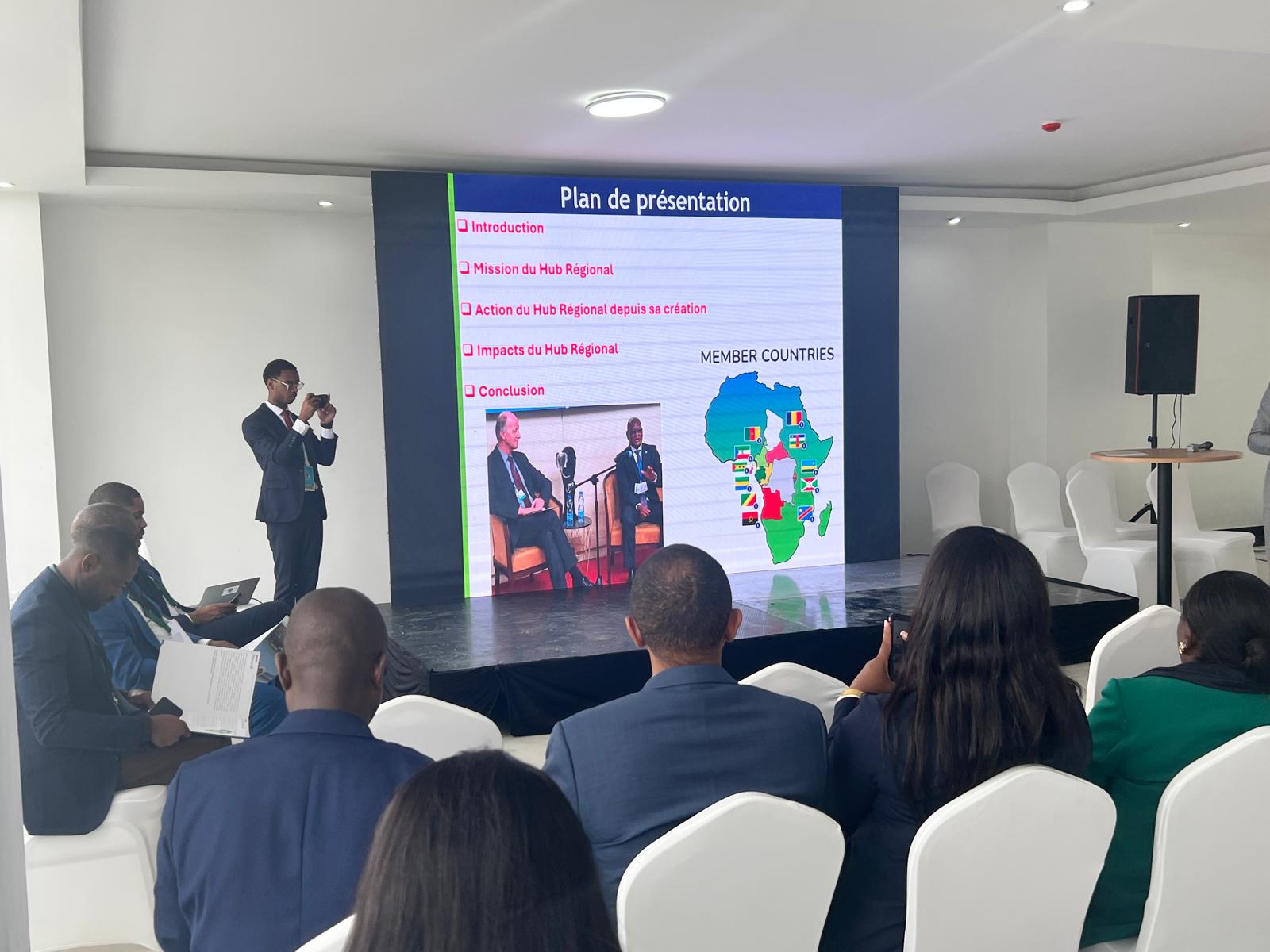
Addis Ababa, 9 September 2025 (Federal Democratic Republic of Ethiopia) – The ECCAS Commission organized a formal, high-level side event at the 2nd African Climate Summit (ACS2) from 08-10 September 2025 in Addis Ababa, Ethiopia.
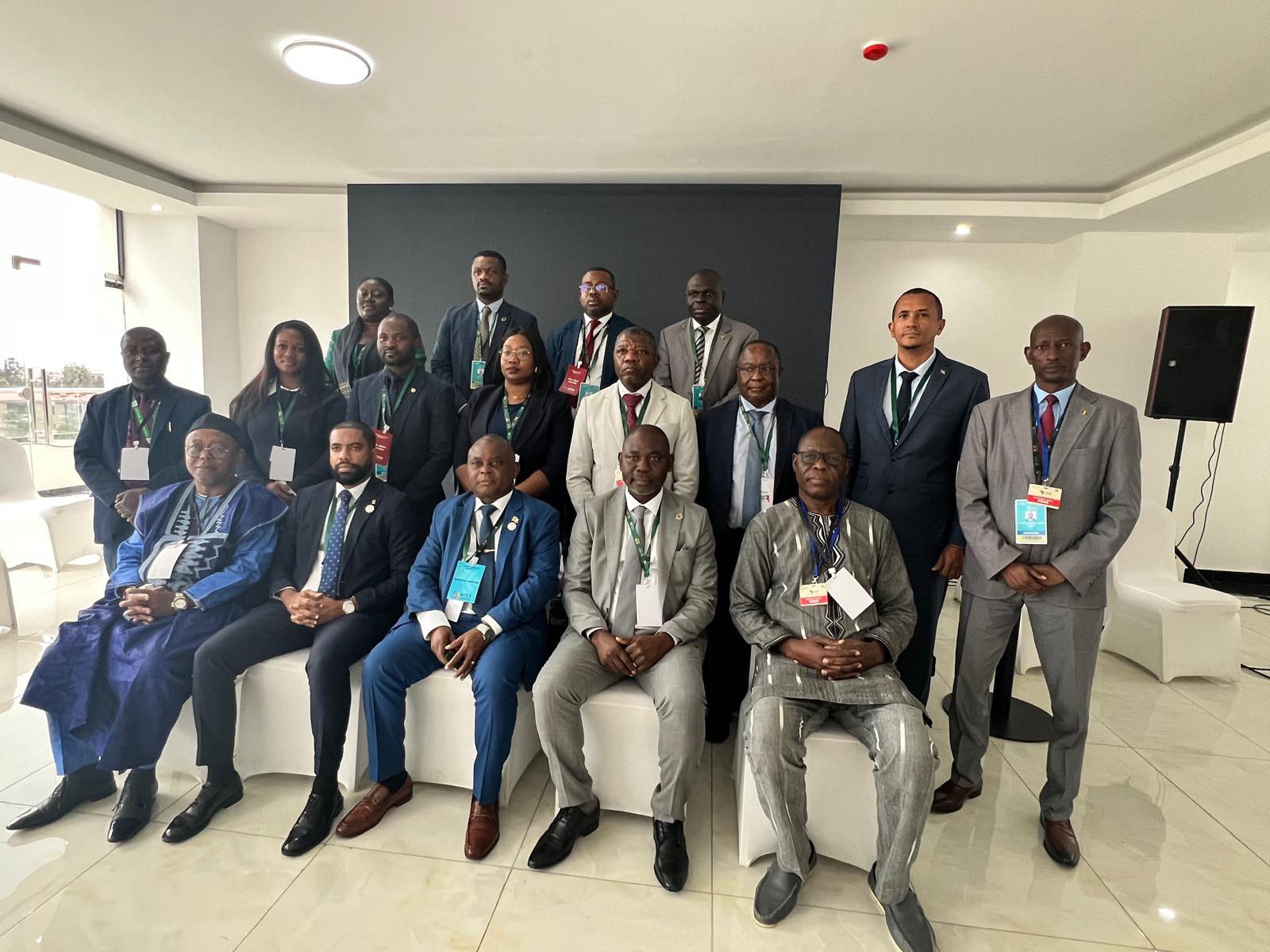
The international conference centre in the Ethiopian capital served as a forum for this high-level meeting, which brought together several actors, including the High Representatives of countries, regional organizations, ministers, technical and financial partners, representatives of civil society organizations, parliamentarians, the private sector...
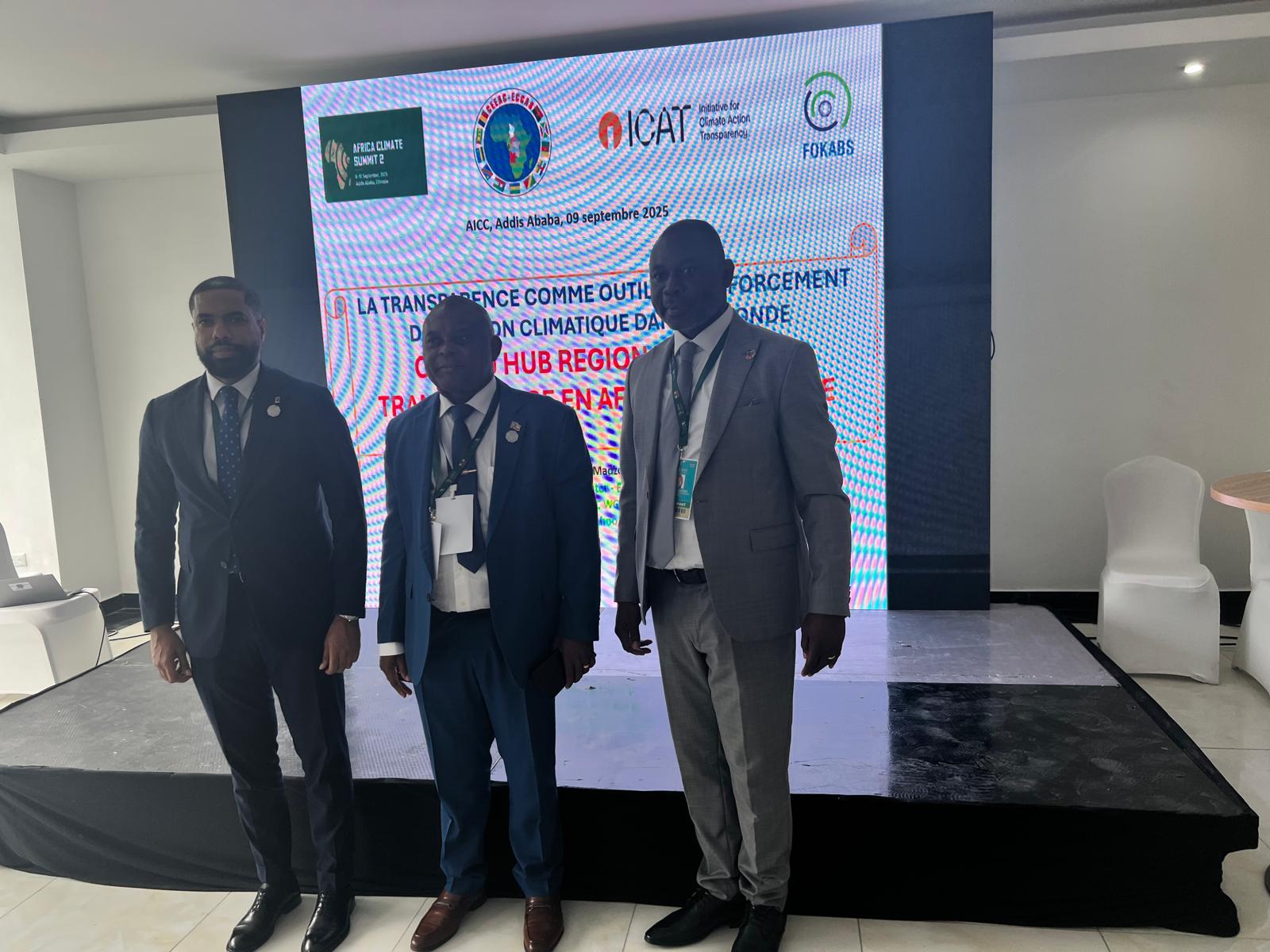
The parallel event, placed on the theme ‘ Transparency as a tool to strengthen global climate action: the case of the Regional Hub for Transparency in Central Africa The main objective was to present the Hub's activities and their impacts as a strategic solution to strengthen climate action.
It is the Minister of Forests and Environment of the Republic of Equatorial Guinea, Mr. Diosdado Obiang Mbomio Nfonowho, on behalf of His Excellency Obiang Nguema Mbasogo, President of the Republic of Equatorial Guinea and current President of ECCASwhich opened the work of this high-level meeting. ‘ The environmental crisis that the world is going through and the procrastination about the urgent arrangements to be made are calling on us to deal with the climate emergency. He called back.
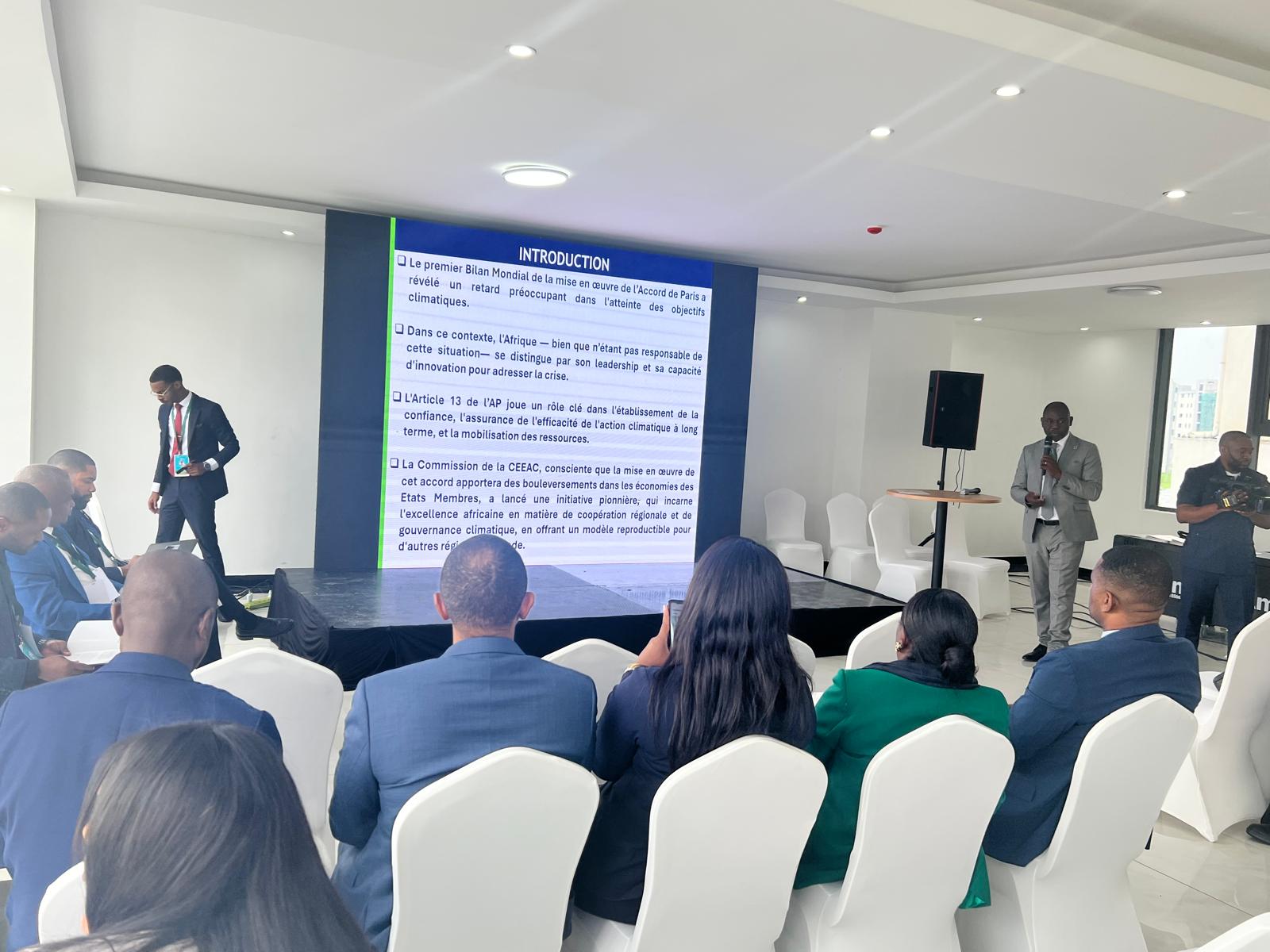
‘With this in mind, the ECCAS Commission, aware of the challenges involved in the implementation of the Paris Agreement and the changes it would bring to the economies of the Member States, launched the initiative of a Regional Hub for Climate Transparency He added, while thanking, on behalf of the Chairman-in-Office of ECCAS, the Climate Transparency Initiative (CCAT) which funds this innovative project.
Minister Diosdado was privileged and honoured to launch the publication of the Policy Note/Policy Brief prepared by the ECCAS Commission, entitled " Commitment to improving the transparency of climate action in Central Africa: challenges, lessons and perspectives »
HuRTAC: A significant impact on climate transparency in Central Africa
Created to support Central African countries in developing and improving their sustainable climate transparency frameworks, the Hub adopts a collaborative approach bringing together countries to work on national sustainable development policies, assessment of national needs and priorities. It also provides support through human, institutional capacity-building, preparation and implementation of national action plans to improve transparency by the 11 countries in the region, as well as resource mobilization, explained Mr. Gervais Itsoua, Coordinator of the Hub Coordination and Management Unit.
More than 880 national experts were trained through regional and national technical workshops, with particular attention to gender balance (72% men, 28% women). These training courses cover several areas, including monitoring of NDCs, projections of GHG emissions, national inventories and the establishment of MNV climate transparency systems.
Hub action goes beyond the technical framework by creating an expanded ecosystem of actors committed to climate transparency. The creation of the Central African Network of Environmental Jurists (REJEAC) based in Kigali, the establishment of the Central African Network of Parliamentarians on Climate Change, and the training of leaders of civil society organizations are part of this logic that is essential for the sustainability of transparency efforts in the sub-region.
For the Project Coordinator, support from the Hub also directly contributed to the submission of 2/3 of the first BFRs submitted by the countries of the region before the deadline of 31 December 2024. These positive results do not exclude the challenges facing the Community, in particular: fragile institutional arrangements, insufficient technical capacity, lack of reliable data and limited financial resources.