The Regional Workshop on the Operationalization of ECCAS Women Entrepreneurs Network has kept its promises
Libreville (Rep. Gabonese), 27 July 2023– Organized from 25 to 26 July 2023 in the Gabonese capital by the Commission of the Economic Community of Central African States (ECCAS) in collaboration with the United Nations Development Programme (UNDP) and the Government of Gabon, with the dynamic partnership of the Canadian government, the Workshop ..
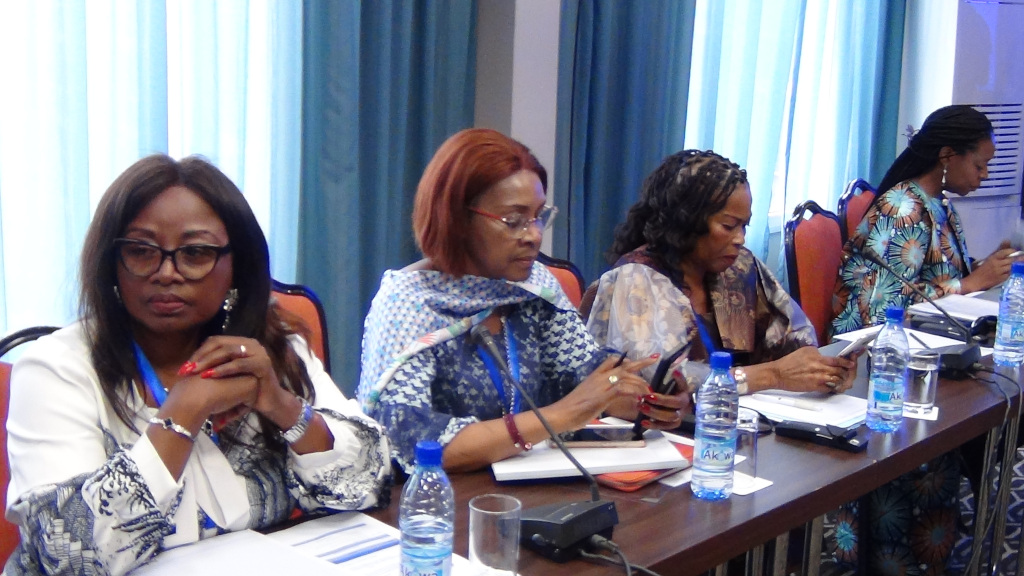
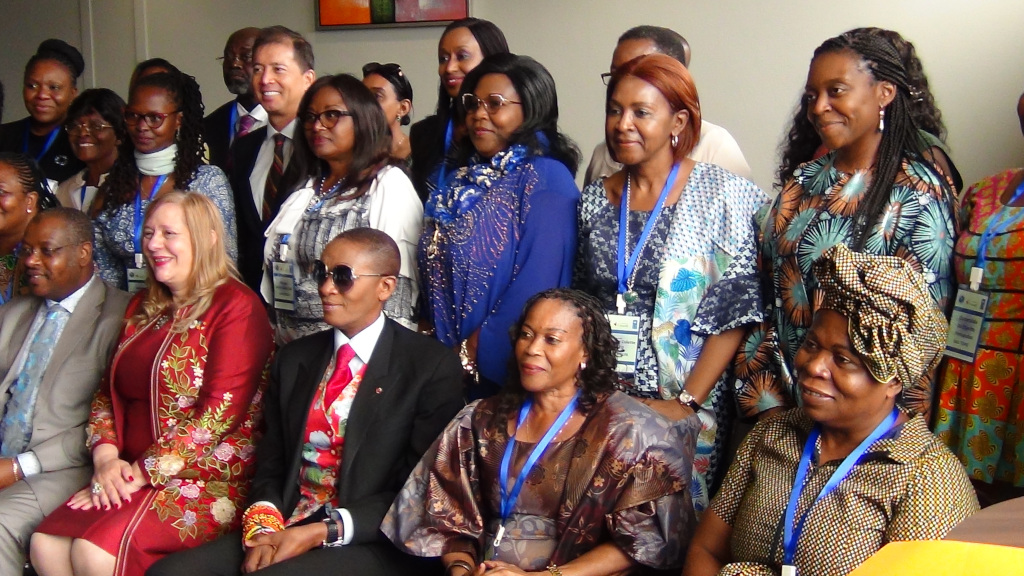
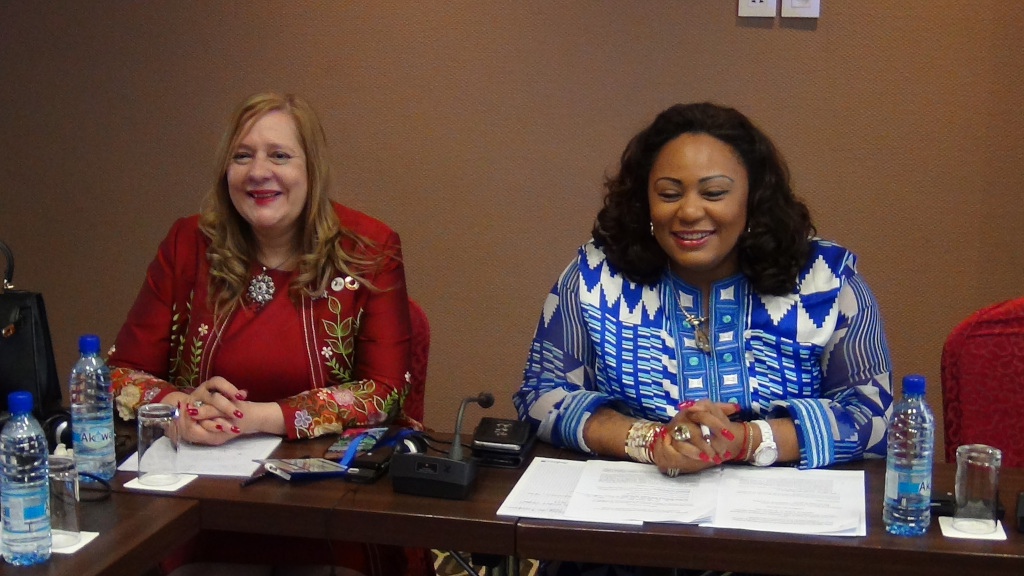
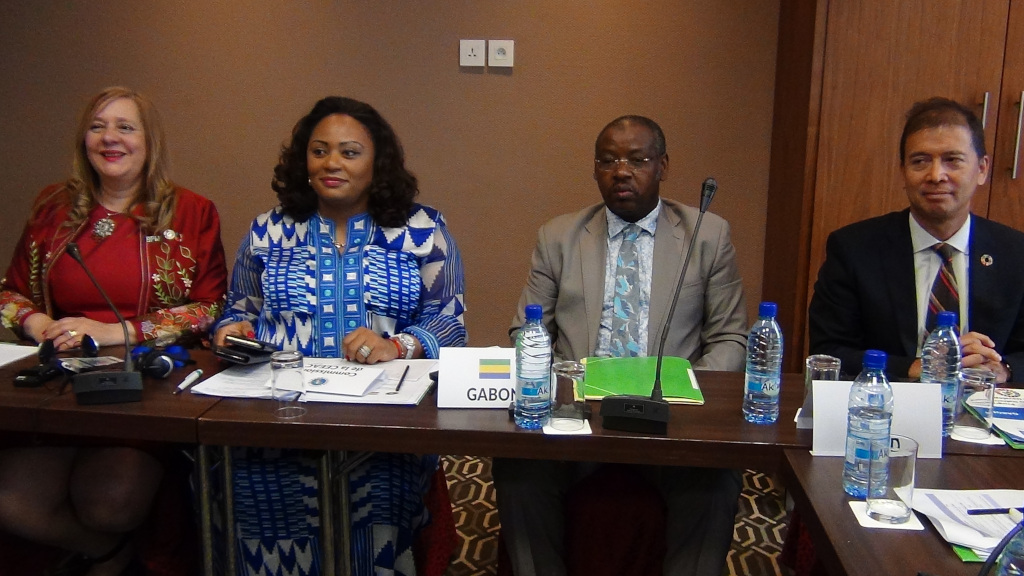
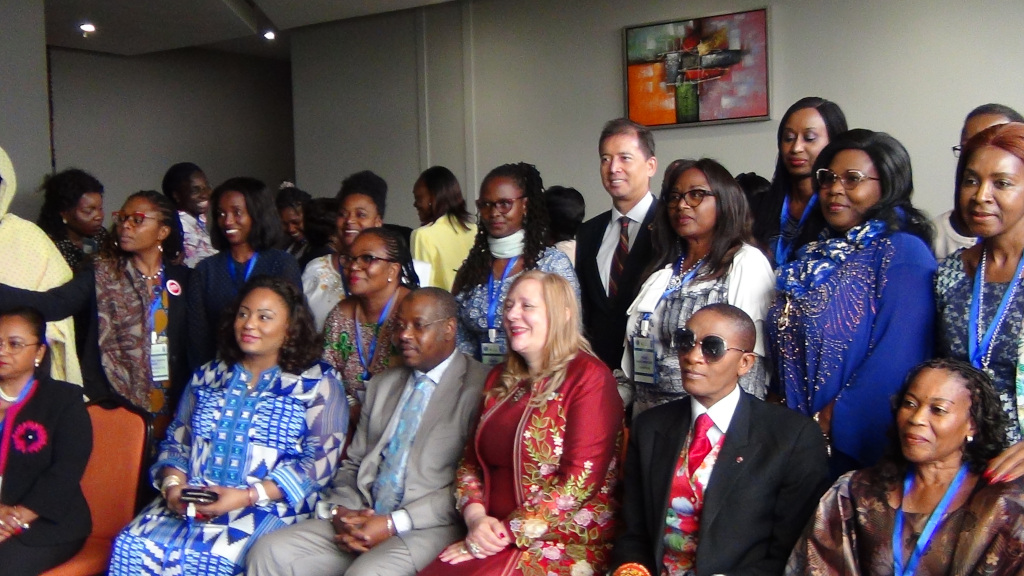
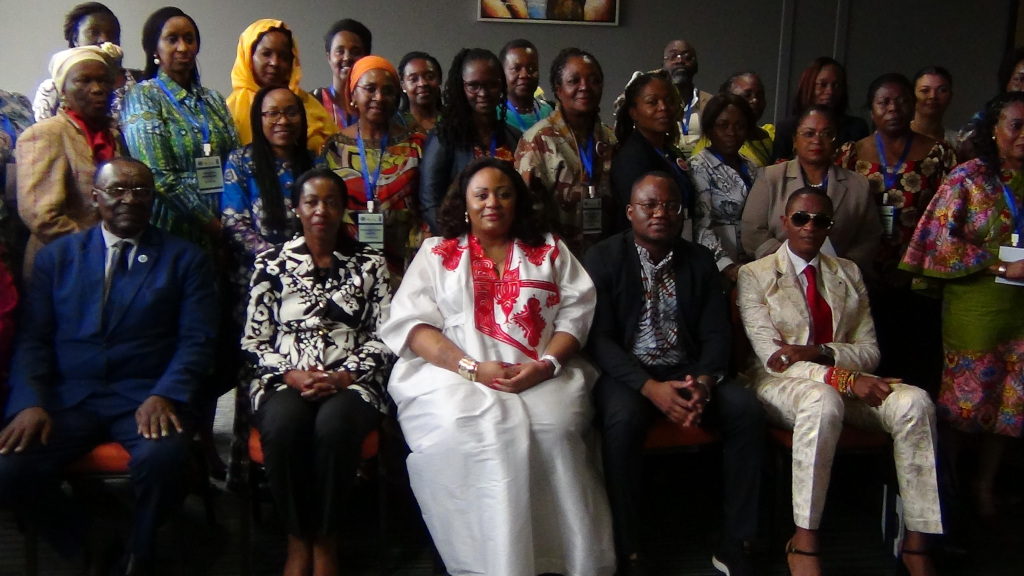
 Libreville, Gabonese Republic, 27 July 2023– Organized from 25 to 26 July 2023 in the Gabonese capital by the Commission of the Economic Community of Central African States (ECCAS) in collaboration with the United Nations Development Programme (UNDP) and the Government of Gabon, with the dynamic partnership of the Canadian government, the Regional Workshop on the Operationalization of the ECCAS Women Entrepreneur Network has truly kept its promises.
During two days of intense work, under the leadership of the Commissioner for Gender Promotion, Human and Social Development of the ECCAS Commission Yvette-NGANGU Kapinga, The participants from almost all ECCAS member States followed presentations on various and varied topics and exchanged usefully both in plenary and in group, including on:
- The purpose of the ECCAS Women Entrepreneurs Network;
- The African Union High Council of Affairs;
- The ECCAS High Council of Affairs;
- Key regional priorities for female entrepreneurship and network development;
- The priorities of the ECCAS Women Entrepreneur Network for the first two years;
- The African Free Trade Area (ZLECAf), its scope, its tasks, the opportunities it offers women entrepreneurs, commercial formalities;
- Applicable tariffs, regulations and institutions;
- Market entry and development strategies;
- Distribution channels;
- Commercial intelligence as a means of improving decision-making in business, to name but a few.
 The work has involved, inter alia, women entrepreneurs from COMESA and ECOWAS. Speaking via videoconference, these participants from other Regional Economic Communities shared their experiences with their counterparts in Central Africa, discussing the lessons learned in setting up their networks and stressed the need to network the different regional platforms digitally.
Participants also supported the introduction of e-commerce, the exploitation of the power of the media in their businesses, as a better social marketing tool.
They also discussed the roadmap and priority activities of the ECCAS Women Entrepreneurs Network Steering Committee.
 During the closing ceremony, the participants followed with particular attention the conclusions of the UNDP Representative, the Commissioner for Gender, Human and Social Development of the ECCAS Commission and the Minister of Justice, Guard of Seals, Human Rights for Gender Equality of the Gabonese Republic.
Of the three interventions, it appears:
– Unanimity on the fruitfulness of the work and exchanges on important strategic and practical issues on women ' s entrepreneurship in Central Africa;
– The importance of networking and the self-help spirit that must prevail within the subregion, particularly in this highly competitive sector;
– The importance of establishing the ECCAS Women Entrepreneurs Network and its unwavering link to national and regional political decision-making bodies;
– The need to finance sectors supported by women entrepreneurs, including through capacity-building in all areas;
– The importance of access to technologies;
– Protection of the work of women in cross-border areas;
– Issues of product standardization and certification.
 Recall that in an inclusive approach, participants exchanged good practices within the region and beyond with the African Union, COMESA and ECOWAS.
According to the ECCAS Commissioner responsible for the promotion of gender, human and social development, "this amount of experience goes in the direction of changing the operationalisation of the network of women entrepreneurs in the Central African region, but also the improvement of the capacities of women entrepreneurs to navigate in a space that becomes increasingly competitive and very complex with the advent of the FTACAf which must be mastered".
It should be noted that during these two days of discussions, women entrepreneurs formalized the operationalization of their network, structure and governance framework. They discussed the Plan of Action and stressed the need for the equitable distribution of resources already mobilized, alluding to the US$ million granted by UNDP and the envelope advanced by the World Bank.
In her concluding remarks, Commissioner, I quote: "2024 will be the year of full operationalisation of the ECCAS network of women entrepreneurs" end of quote.
She invited women entrepreneurs to invest massively and qualitatively in their participation in the celebration of the 40th anniversary of the creation of ECCAS, especially during what they themselves called "Product week made in ECCAS"