ECCAS President in Exercise introduces the Automated Scoreboard on Education in Central Africa to the High Level Conference on Education in Africa
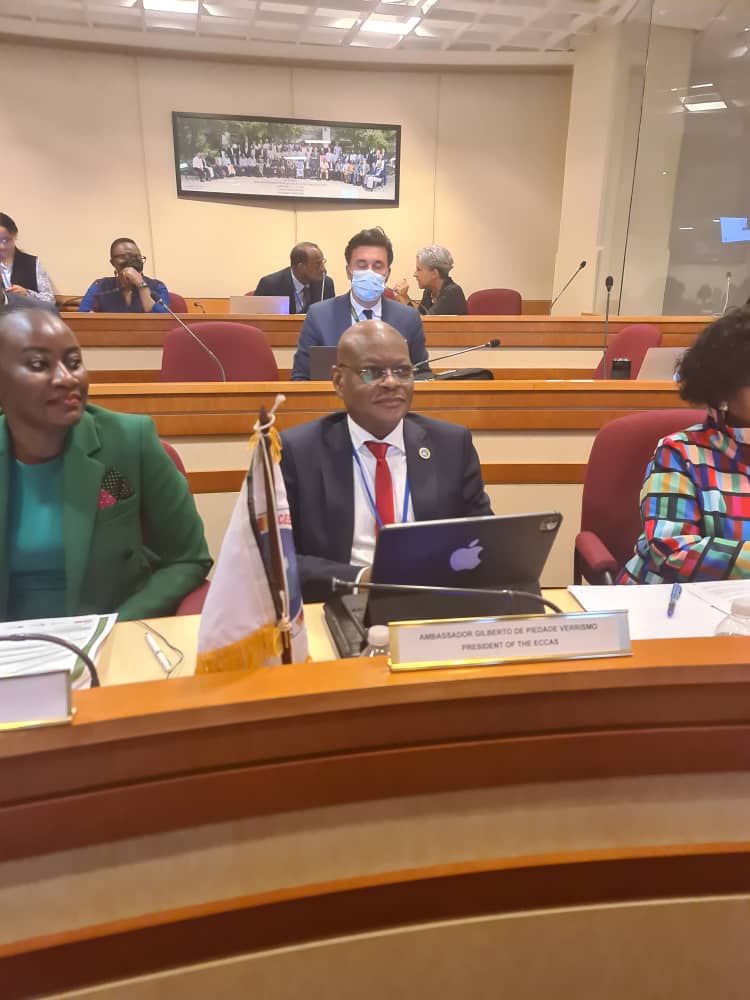
New York, USA, September 20, 2022 – The President of the Commission of the Economic Community of Central African States (ECCAS), H.E. Gilberto da Piedade VERISSIMO and Commissioner Kapinga Yvette NGANDU, in charge of Gender Promotion, Human and Social Development, took part in the high-level meeting on the transformation of the ..
New York, USA, 20 September 2022 – The President of the Commission of the Economic Community of Central African States (ECCAS), H.E. Gilberto da Piedade VERISSIMO and Commissioner Kapinga Yvette NGANDU, in charge of Gender Promotion, Human and Social Development, took part in the meeting of High Level on Transformation of Education in Africaon the margins of thee Session of the United Nations General Assembly at the African Union Office in New York, facilitated by the African Union, UNICEF, UNESCO and ECCAS.
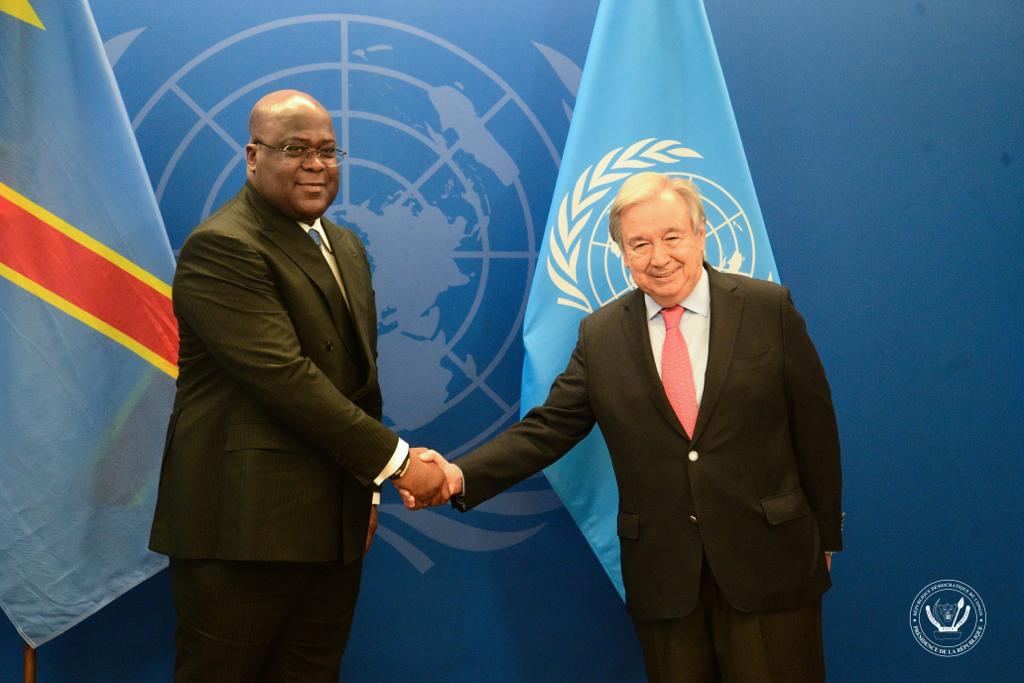
The current President of the Economic Community of Central African States (ECCAS), H.E. Mr. Félix Antoine TSHISEKEDI TSHILOMBOalso took part in this high-level meeting, alongside the Heads of State of Senegal, Ghana, Niger, Comoros and the Chairman of the African Union Commission. This event, which culminated in the President's speech on 20 September, is being held on the sidelines of the World Summit on the Transformation of Education (TES).
The meeting is also part of the follow-up to the 2030 Agenda for Sustainable Development, including the Education Goal (SDG 4), which aims to ensure that all people have access to quality education on an equal footing and to promote lifelong learning opportunities, with a focus on the transformation of education in the African context.
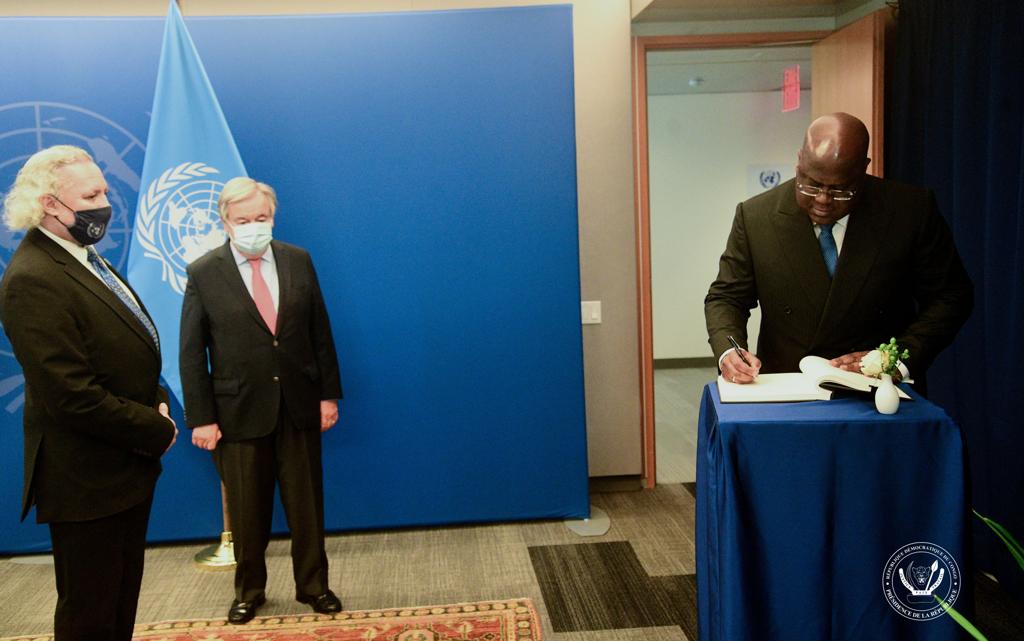
The President Félix Antoine Tshisekedi Tshilombo took advantage of the opportunity to talk about the experience of the Democratic Republic of the Congo and the subregion in terms of achievements, lessons learned and recommendations to strengthen funding for education in order to resolve the learning crisis in Africa. It is urgent to act on human capital right now to boost productivity and to stimulate sustainable economic growth for the development of the subregion, he said.
More than half of preschool children are not enrolled in school. In some countries of the subregion, the proportion can reach three out of four children. Access to pre-school education has a positive effect on the preparation of other levels of education. In addition, almost one child/adolescent from ECCAS must be added to five primary and lower secondary ages, which are out of school with deprivation reaching almost half in some countries. This represents more than 12 million children and adolescents of primary and lower secondary age outside school, more than a third of whom are in DRC (4.3 million). As for young people aged 15-24, almost four in ten are not in school, training or employment. In addition, less than one out of five ECCAS students enrolled at the end of primary school have the minimum literacy skills. This represents more than 4.5 million primary-end students who do not meet the minimum skill threshold. This situation affects girls, children in rural areas, those from the poorest families and those living with disabilities.
On average, ECCAS countries allocate 15% of public expenditure to education. This is 5 percentage points below the African Union target of 20%. In addition, expenditure on education is not evenly distributed. Most of them go to the highest levels, leaving, for example, very little for preschool, and benefit children from rich families more than those from poor families.
Also, to reverse the trend and address the learning crisis in Africa, there are a few options:
– To finance education from the development of high-productivity sectors such as culture, tourism, etc., which will generate own funds, on the basis of a levy on the value added of cultural goods or services produced;
– Designing Income Generation Activities (AGR) in the context of education;
– To empower actors and beneficiaries of education goods and services through the development of a culture of financing and self-financing of educational projects.
– Strengthen domestic resource mobilization
– Developing public-private partnerships for financing education,
During their stay in New York, the Chairman-in-Office of ECCAS and the Chairman of the ECCAS Commission held a bilateral meeting at which issues related to the financing of education in Central Africa were discussed, among other topics.