What customs union and economic industrialization plan for Central Africa?
Libreville, Gabonese Republic, 18 July 2023–The experts from the eleven member states of the Economic Community of Central African States (ECCAS) began their reflection this morning on the Customs Union, the regional strategy of the Continental Free Trade Area (ILECAf) and the master plan for industrialization and economic diversification in Central Africa. For four days...
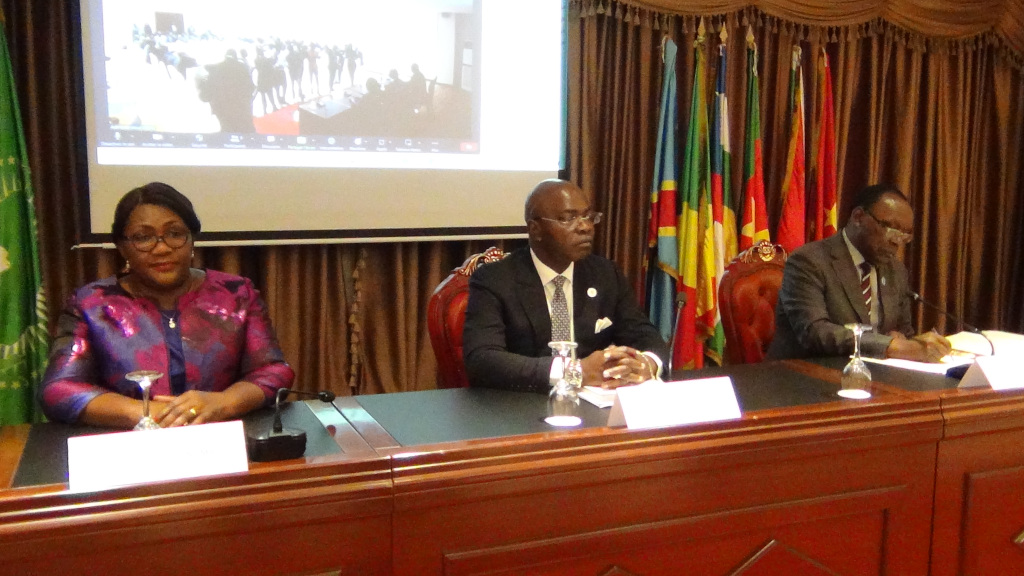
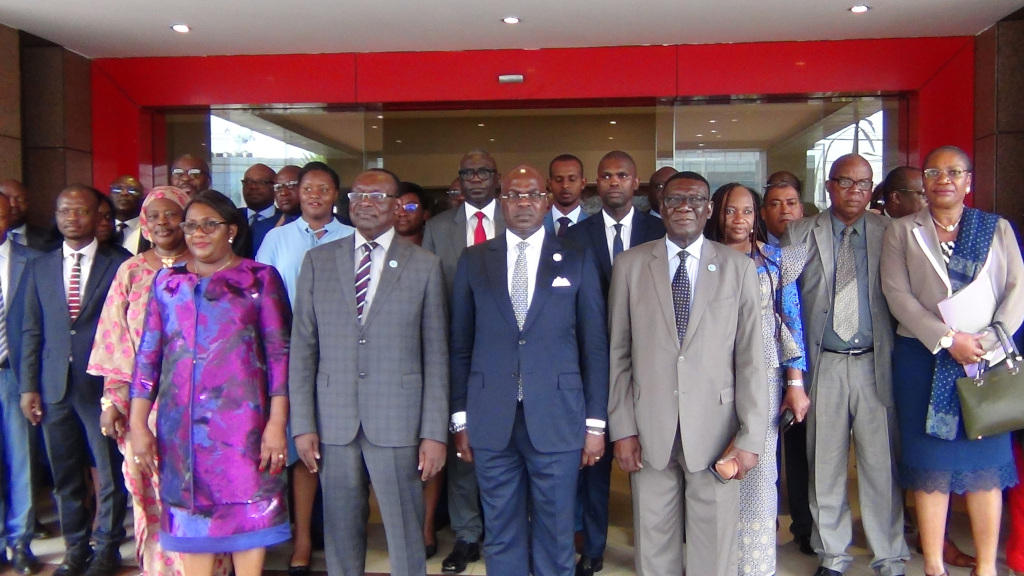
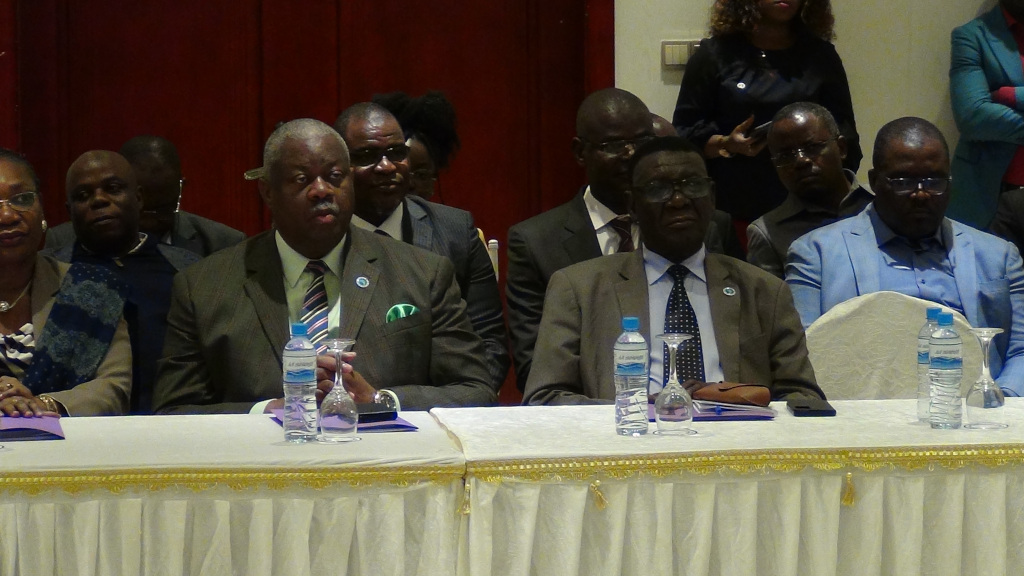
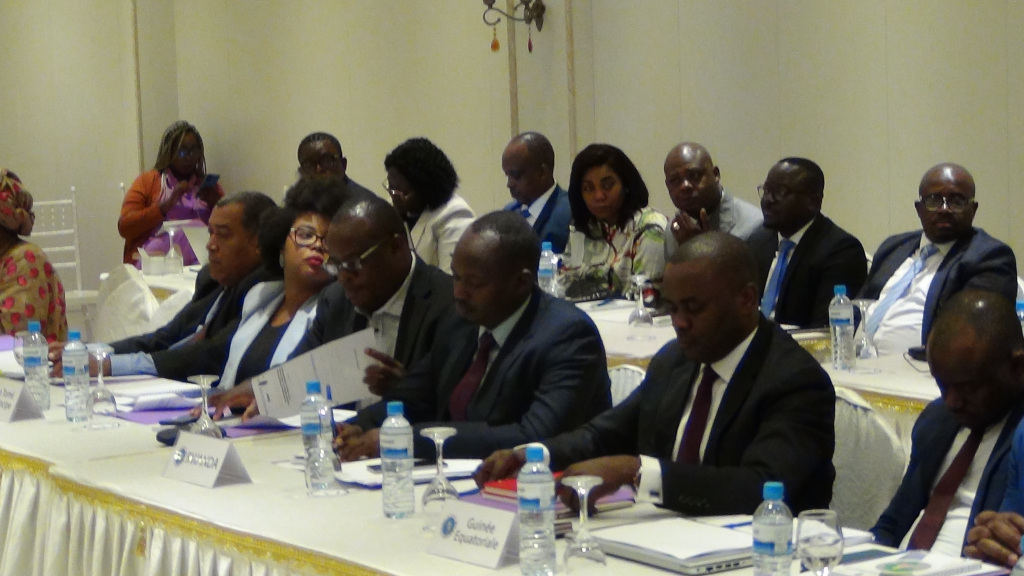
 Libreville, Gabonese Republic, 18 July 2023–Experts from the eleven member states of the Economic Community of Central African States (ECCAS) began their reflection this morning on the Customs Union, the regional strategy of the Continental Free Trade Area (ZLECAf) and the master plan for industrialization and economic diversification in Central Africa. For four days, the objective of the Libreville meeting is to present the initiatives undertaken by the ECCAS Commission with a view to accompanying the countries of the region to face the various endogenous and exogenous challenges that hinder the development of the region and to give new impetus to the process of economic and trade integration in Central Africa.
Two speeches were delivered during the opening ceremony, namely the President of the ECCAS Commission, his Excellency Gilberto Da Piedade Verissimoread by the Commissioner On the common market, economic and financial affairs Mr. François Kanimba and the opening speech of the Gabonese Minister of Trade, Small and Medium Enterprises Yves Fernand Manfoumbi.
 After thanking the Gabonese authorities for the facilities granted in the preparation and holding of these meetings and commending the experts and partners who made the move from Libreville, the evidence of their interest in the regional integration process, Commissioner Kanimba outlined the regional and global context in which this consultation is taking place, namely globalization and the heightened dynamics in the formation of economic groupings, and the need for Central African countries whose economies are constantly out of sight and subjected to exogenous shocks to meet the challenges for their integration into continental and global economies.
Commissioner Kanimba identified two major challenges: trade integration and the building of a regional common market with opportunities for businesses and people, on the one hand, and the development of the productive capacities needed to strengthen the competitiveness and positioning of economies in regional and international markets, on the other.
 In his opening speech, the Gabonese Minister for Trade, Small and Medium Enterprises Yves Fernand Manfoumbi First of all, it welcomed the "strong presence" of delegates from all corners of the community, the evidence of the support and importance given to economic promotion initiatives within the region, and congratulated the ECCAS Commission "for taking the initiative to organize this meeting which prepares for the first session of the Specialised Technical Committee on the Common Market, Economic, Monetary and Financial Affairs to be held in the coming weeks". Taking a retrospective look at the history of the community, the member of the Gabonese government praised the ambition of the founding fathers who had the initiative to create the "single customs territory in which people and businesses could benefit from the enormous potential in terms of the natural resources of all the States of the subregion. He then referred to the need to deploy the Customs Union in cohesion, so that it can make a real contribution to the economic and social development of our States and generate positive externalities for improving the living conditions of the people.
 From thread to needle, Yves Fernand Manfoumbi has established a link between the operationalization of the ECCAS Customs Union and the consideration of the continental context marked by the implementation of the FTACAf. He called on the experts to demonstrate ingenuity in the consideration of the draft regional strategy for the implementation of the Continental Free Trade Area. A call that all participants seem to have heard, as they quickly began to work, just after they had made a posterity.