WITHDRAWAL OF THE COMMITTEE OF PERMANENT REPRESENTATIVES (COREP)
SIPOPO (Republic of Equatorial Guinea), 05 October 2024– The Committee of Permanent Representatives (COREP) of the Economic Community of Central African States (ECCAS) held its retreat from 04 to 05 October 2024, on the convocation of its current President, SEM Antonio EBALE AYINGONO Ambassador of the Republic of Equatorial Guinea to the Gabonese Republic. Retirement was for...
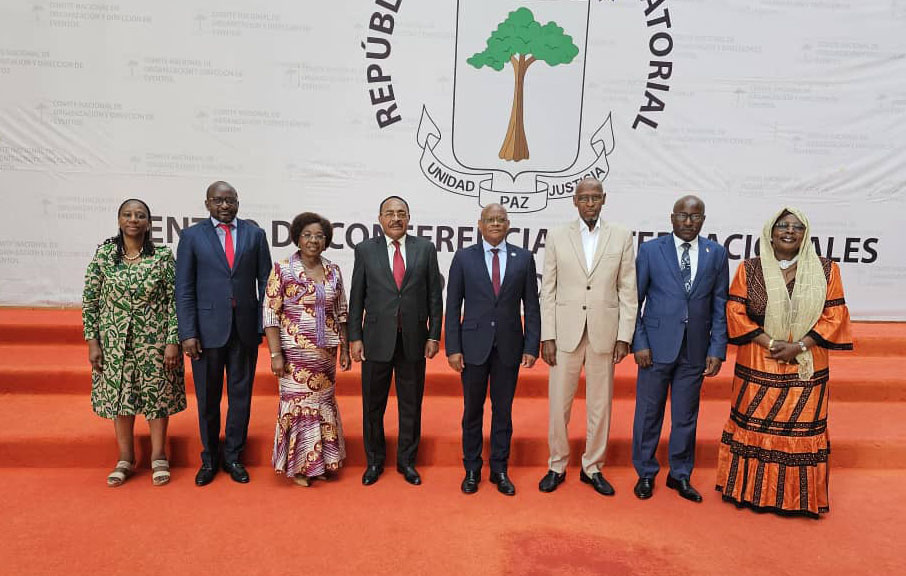
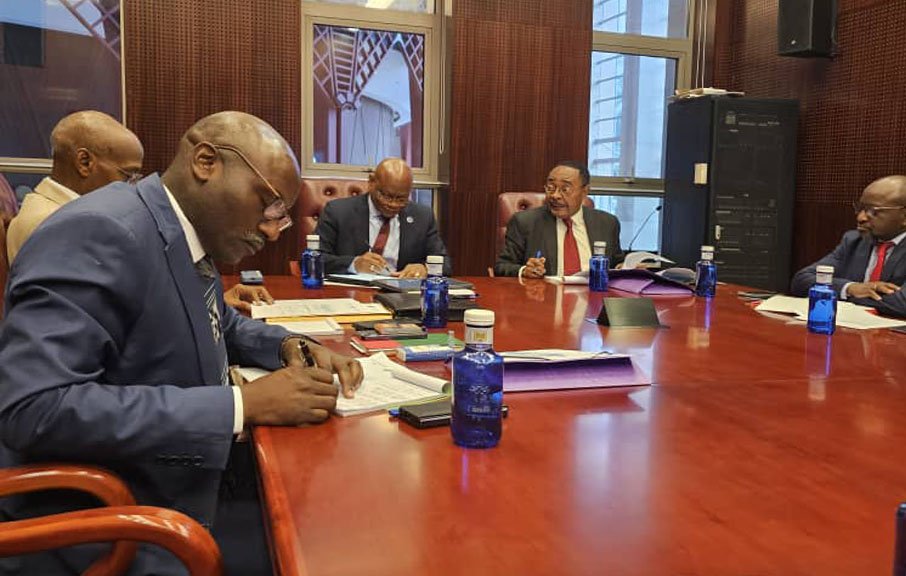
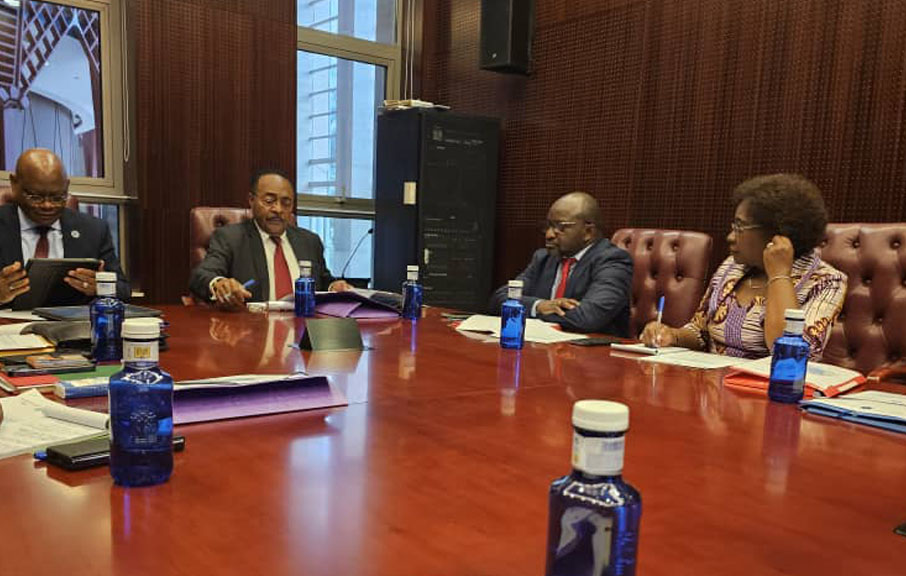
SIPOPO(Republic of Equatorial Guinea), 05 October 2024–TheCommittee of Permanent Representatives (COREP) of the Economic Community of Central African States (ECCAS) has retiredfrom 04 to 05 October 2024,onconvening of its current President,SEM Antonio EBALE AYINGONOAmbassador of the Republic of Equatorial Guineathe Gabonese Republic.
The main purpose of the retreat was to address the concerns of COREP members regarding the difficulties of interpreting Article 23 of the revised Treaty on the powers and prerogatives of COREP in relation to other Community bodies, including the Inter-State Committee of Experts, the Council of Ministers, the Specialized Technical Committees on Defence, Safety and Security (CTSDSS) and the ECCAS Commission. In other words, it was intended to clarify the role and place of this body in the institutional architecture of the Community.
Two speeches were delivered during the opening ceremony: Welcome by the Chairman-in-OfficeSEM Antonio EBALE AYINGONOAmbassador of the Republic of Equatorial Guineaof the Commission of ECCASHis Excellency Gilberto Da Piedade VERISSIMOwhich recalled the context of the activity, the tasks of COREP and the importance of its role in achieving the objectives of the Community. It also welcomed the good cooperation between the Commission and COREP since the beginning of its mandate.
On the seat menu,(01)Presentation of the Community texts governing COREP at savoir,(01)onRevised ECCAS Treaty, (02) Revised ECCAS COPAX Protocol, (03) Rules of Procedure of COREP General Training and (04) Rules of Procedure of COREP COPAX Formation.
(02)Working methods and collaboration with other Community bodies,In particular, the ECCAS Council of Ministers, the Inter-State Committee of Experts, the Specialized Technical Committees and the ECCAS Commission. Participants also discussed the work plan 2024-2025 of COREP.
During the discussion of the items on the agenda, COREP plays an important role in the implementation of Article 96 of the Treaty on the Recovery of Community Integration Contribution, including through advocacy with their respective Member States and in the implementation of Article 106 on international negotiations. To this end, it should help the Community to obtain common positions from Member States on matters of common interest in this context;
As regards the presentation of the Community texts governing COREP, it was recalled that the adoption of the general budget of the Community requires the opinion of COREP pending the establishment of the Community Parliament, in accordance with Article 145 of the revised Financial Regulation of the Community;
About working arrangements and collaboration with other community bodiesThe members of COREP have specified that COREP is the Advisory Body of the Council of Ministers, for this purpose it makes recommendations and opinions on matters of interest to the Community, it interacts with the Specialized Technical Committee on Defence, Safety and Security (CTSDSS) at ministerial level and the Commission on the programming of activities and the Community budget on which it gives its opinion in accordance with Article 145 of the Financial Regulation of the Community.
COREP provides the interface between the ECCAS Commission and member States. It is the Advisory Body of the Council of Ministers, for this purpose it makes recommendations and opinions on matters of interest to the Community.
With regard to the work plan of COREP for the period 2024 to 2025, it has been drawn up in 05 areas, i.e. (01) strengthening of the ECCAS communication with the Member States, (02) monitoring the implementation of the decisions and recommendations of the Council and the Conference, (03) monitoring the implementation of the ECCAS Commission's programme of activities, (04) political control of the general budget of the Community and (05) preparation of Council meetings.
At the end of the work, the participants made recommendations in order to give new impetus to COREP.