Courtesy visit by Mr. Athman MRAVILI, Coordinator of the FAO Sub-Regional Office
Libreville, 29 September 2025 ( Gabonese Republic) – Mr. Athman MRAVILI, Coordinator of the Sub-Regional Office of the United Nations Food and Agriculture Organization (FAO) for Central Africa, also FAO Representative in Gabon and Sao Tome and Principe, paid a courtesy visit to His Excellency Ambassador Ezekiel NIBIGIRA, President of the Commission of the United Nations High...
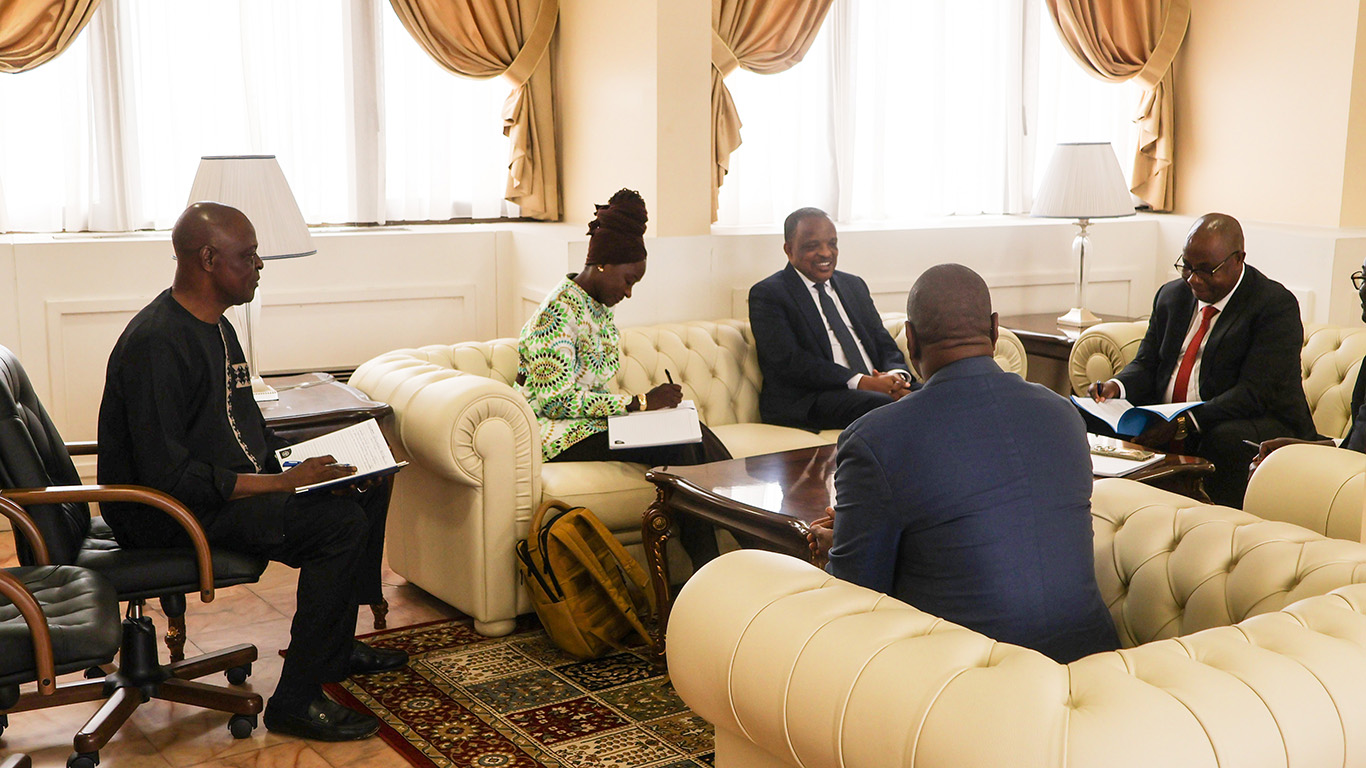
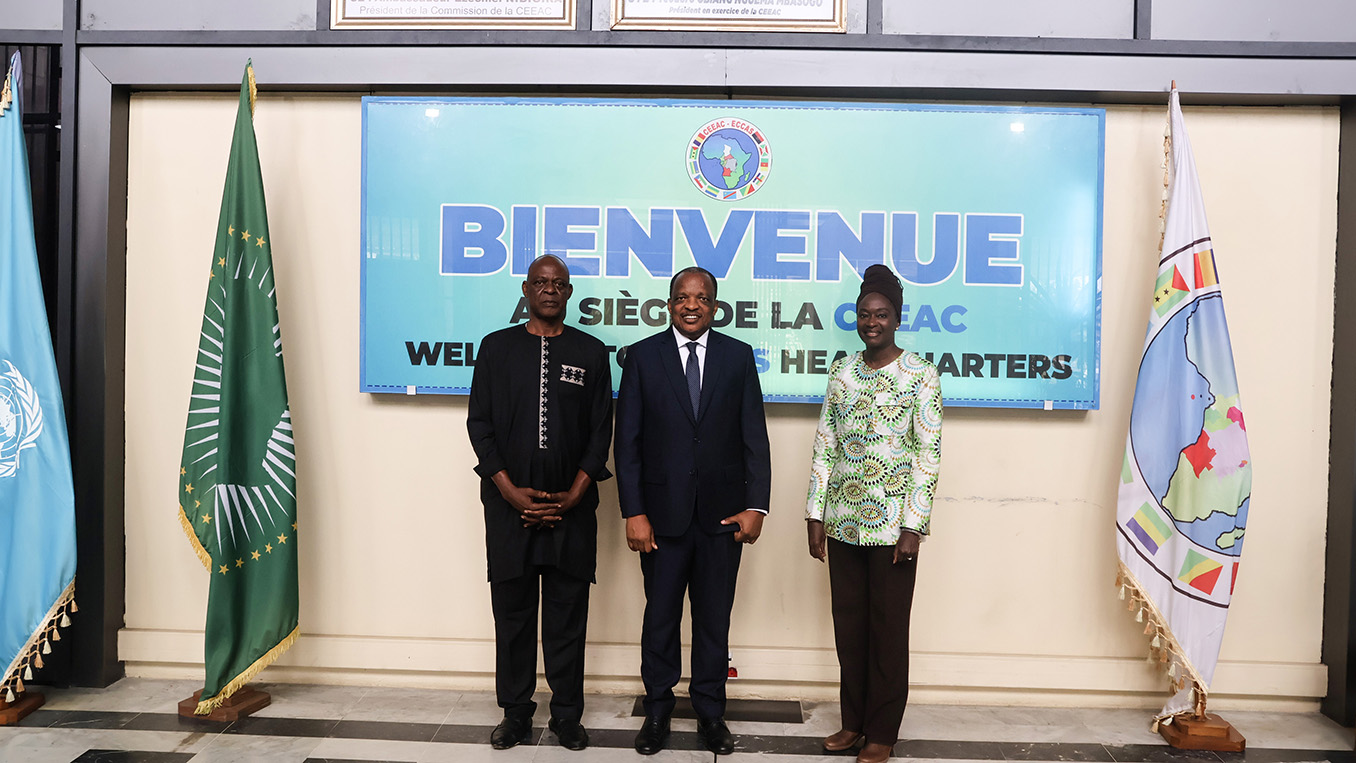
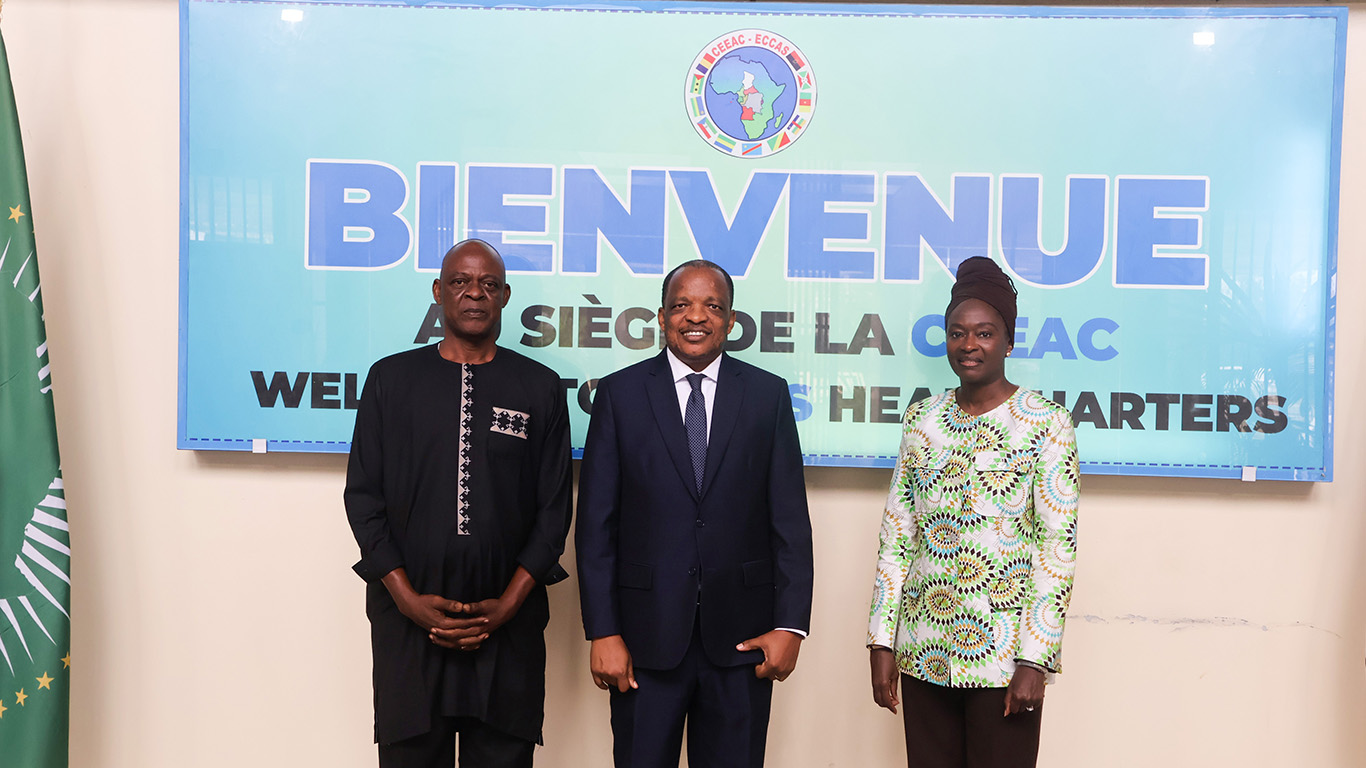
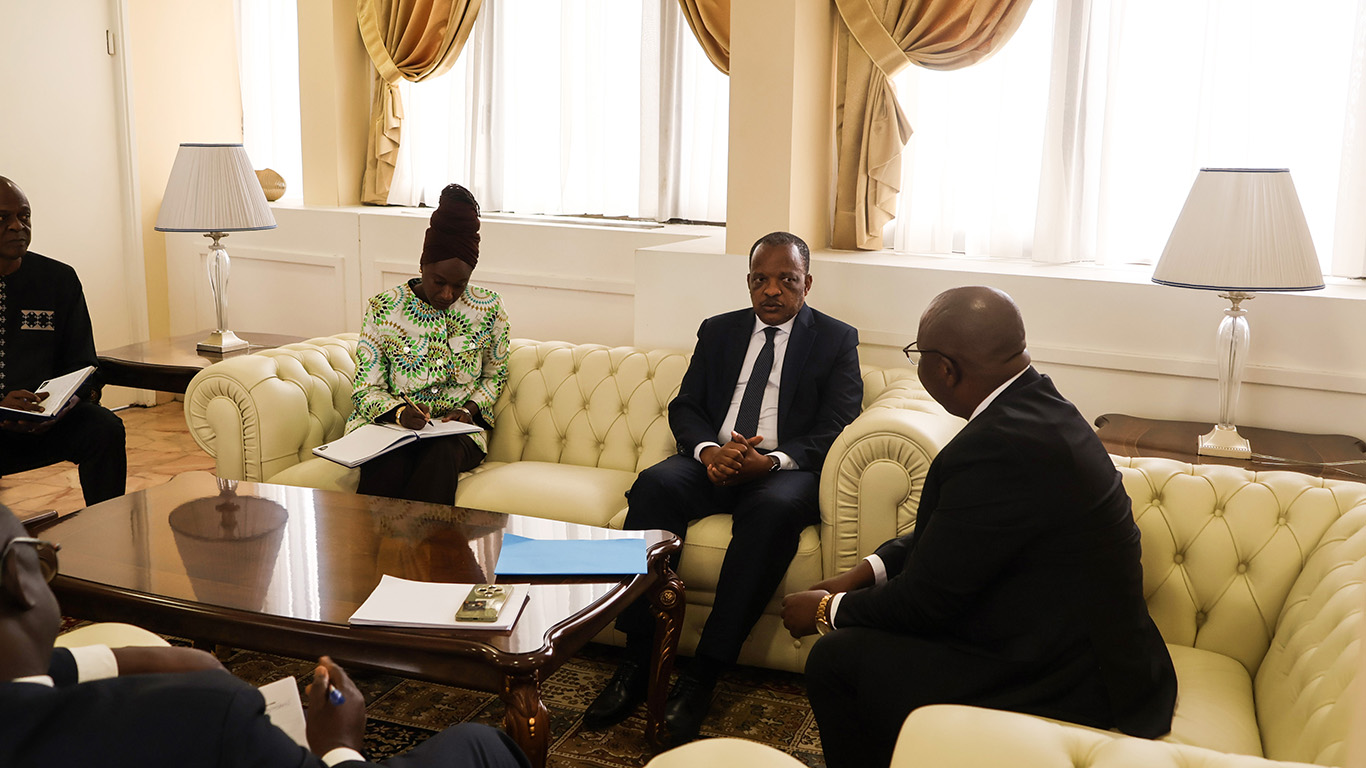
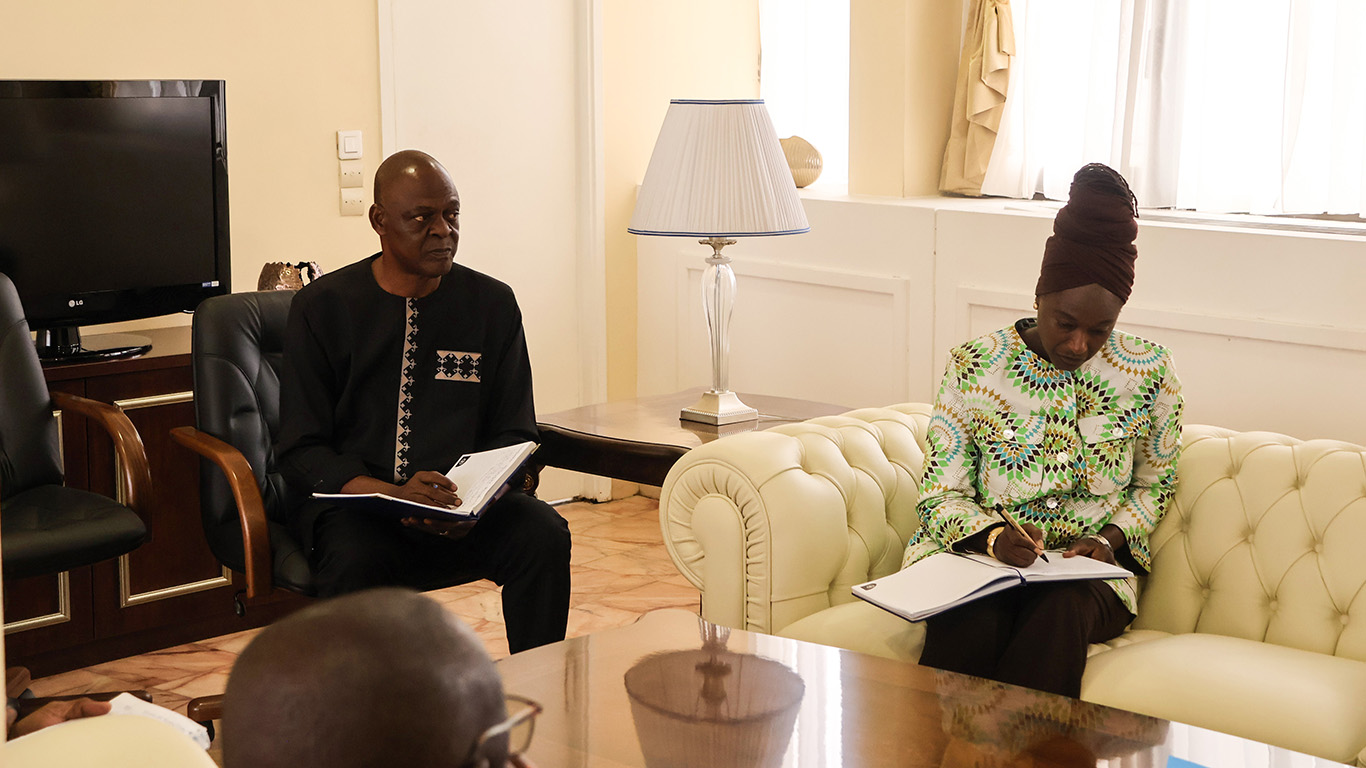
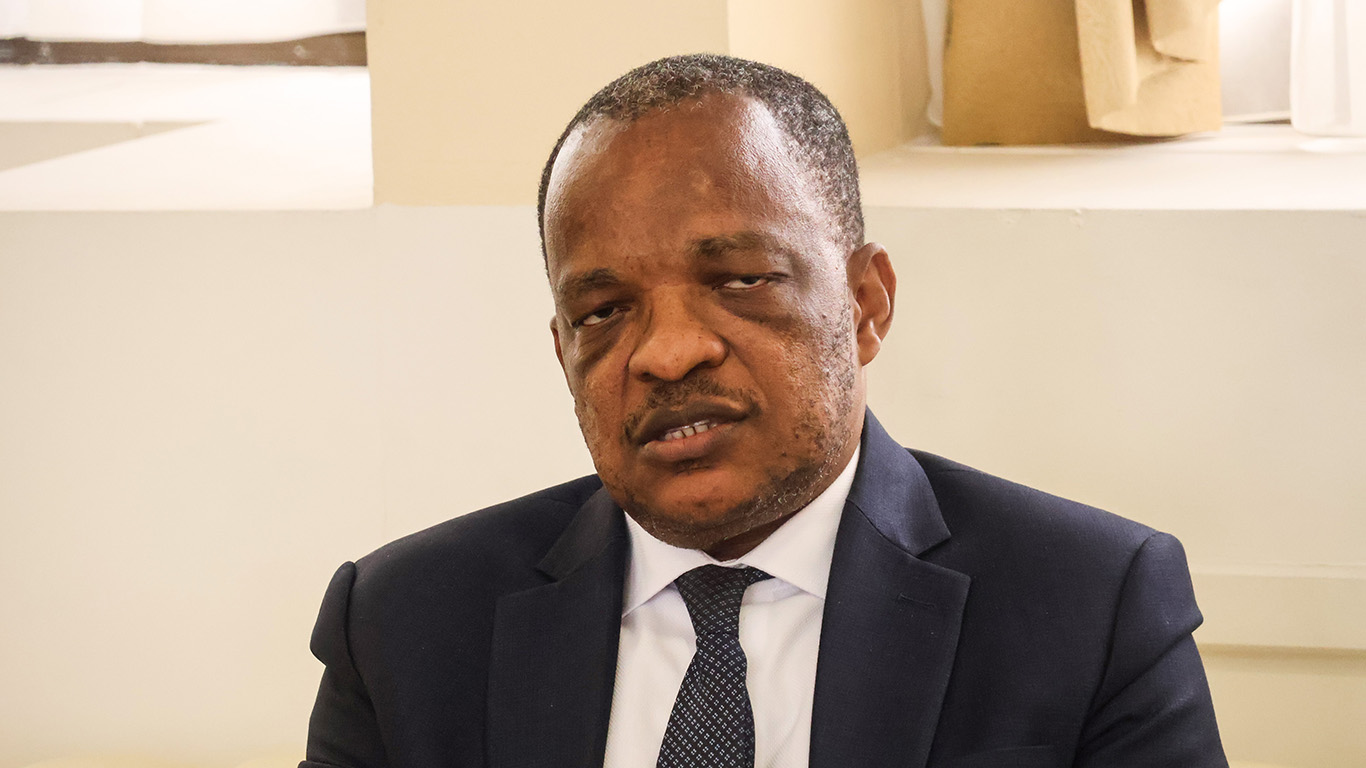
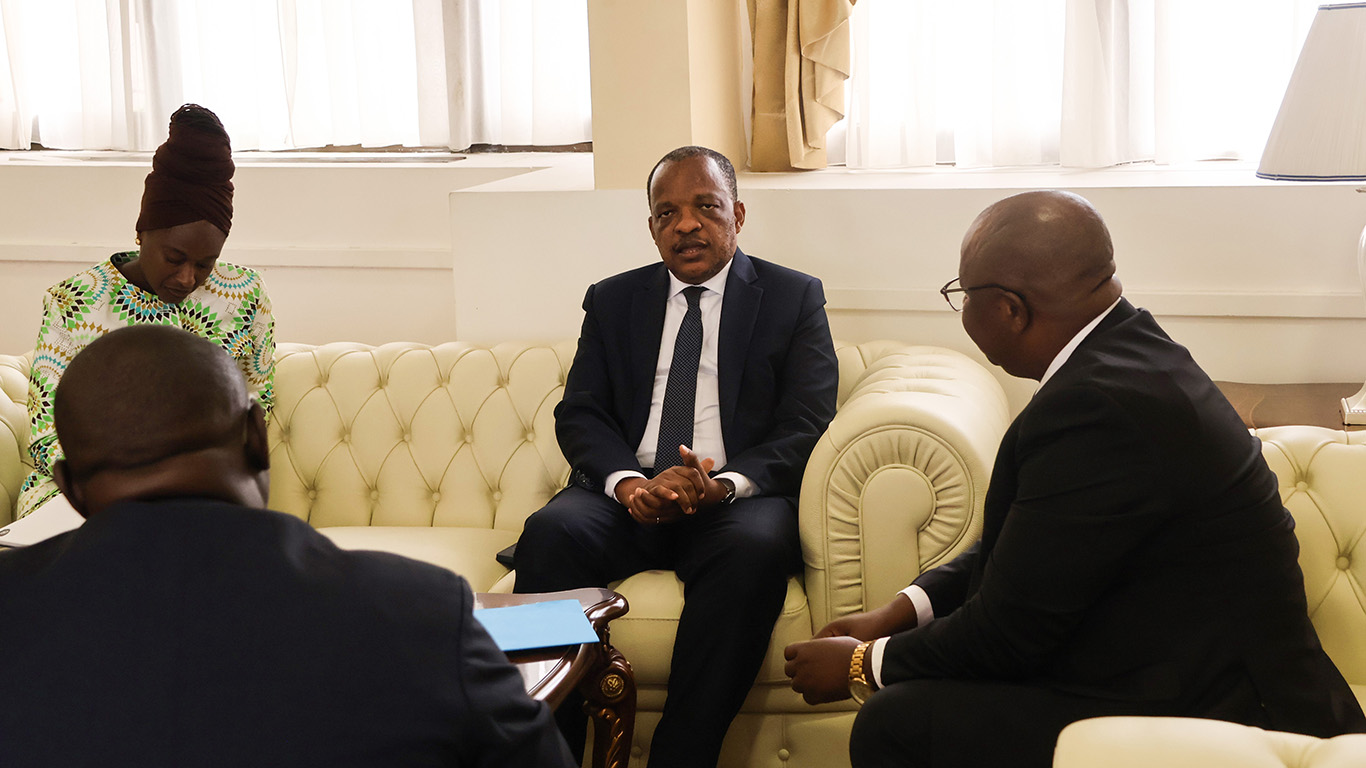
Libreville, 29 September 2025 ( Gabonese Republic) - Sir Athman MRAVILI, Coordinator of the Sub-Regional Office of the United Nations Food and Agriculture Organization (FAO) for Central Africa, also representative of FAO in Gabon and Sao Tome and Principe, carried out a courtesy visit to His Excellency Ambassador Ezekiel NibigiraChairman of the Commission of the Economic Community of Central African States (ECCAS).
The two personalities were accompanied by their respective technical collaborators.
For the FAO Sub-Regional Office: Sir Adama TAOKO, Policy Technical Officer; Madam Ndeye Ndack DIOPTechnical Officer for Plant Production and Protection.
For the ECCAS Commission: Mr Semingar NGARYAMNGAYE, Head of Department Disaster Risk Management and Adaptation to Climate Change (RCMP/ACC), designated coordinator of the Department of Environment, Natural Resources, Agriculture and Rural Development (DERNADR); Mr Mohammed ABAKARDirector of Agriculture and Rural Development (DADR) at DERNADR.
Taking the floor, Mr. Athman MRAVILI, Coordinator of the Sub-Regional Office of the United Nations Food and Agriculture Organization (FAO) for Central Africa, extended his warm congratulations to His Excellency Ambassador Ezekiel Nibigira for his appointment as Chairman of the ECCAS Commission. He wished him every success in carrying out his mandate, reaffirming FAO's commitment to renew and strengthen its partnership with the Community.
Mr MRAVILI recalled that FAO remained fully available to support ECCAS in all areas of the agrosylvopastoral and fisheries sector. To this end, FAO will make available to the Commission its technical expertise in agricultural and food policies, livestock and fisheries resources, plant and plant protection, sustainable land management, water control and irrigation, and in the development of fisheries and aquaculture.
In his word of circumstances, His Excellency Ambassador, Dr. Ezekiel Nibigira, Chairman of the ECCAS Commission, welcomed the continued commitment of FAO to the Community and Member States for the development of agriculture. He recalled that FAO remained one of the major strategic partners that had provided technical and financial support to several ECCAS initiatives, including the draft formulation of the Regional Programme to Support Young Agricultural Entrepreneurship in Central Africa (PREJAC), the revision of the ECCAS Common Agricultural Policy and the ECCAS Support Project for Improving Food and Nutrition Security through the promotion and enhancement of priority agro-sylvo-pastoral and fisheries value chains of USD 393,000, currently being implemented.
The Chairman of the Commission urged FAO to pay particular attention to youth and to initiate, in partnership with ECCAS, agricultural projects capable of generating decent and remunerative jobs for young people in Central Africa.
Finally, he asked FAO technical expertise to support ECCAS in all the formulation processes of regional projects related to agrosylvopastoral and fisheries development, stressing that this expertise is crucial in designing projects that meet the eligibility criteria of technical and financial partners.
Before concluding the visit, the two officials instructed their technical teams to continue the joint work on the ongoing cases in order to complete them.
It was also agreed that the FAO Sub-Regional Bureau and the ECCAS Commission would organize, in January 2026a strategic retreat to jointly plan regional priorities. This event will be a major opportunity to strengthen and deepen cooperation between the two institutions, in particular on food and nutrition security, the development of sustainable agri-food production systems, the integration of ambitious climate actions, and the rational and sustainable management of natural resources, in order to strengthen the resilience of rural communities and agricultural economies.