 FR
FR
 EN
EN
 ES
ES
 PT
PT
ECCAS: Member States commit themselves to domesticating the AADP and validating the Regional Strategy for the Development of Rice in Central Africa
Libreville (Rep. Gabonese), June 18, 2026 – Opened on the 16th of the month in the Gabonese capital, the work of the domestication workshop of the Comprehensive Programme for the Development of Agriculture in Africa (PDDAA) and technical validation of the Regional Strategy for the Development of Rice Farming in Central Africa (SRDR-AC) ended with a ..
Libreville, Gabonese Republic, 18 June 2026 –Opened on the 16th of the month in the Gabonese capital, the work of the Domestication Workshop of the Comprehensive Programme for the Development of Agriculture in Africa (PDDAA) and Technical Validation of the Regional Strategy for the Development of Rice in Central Africa (SRDR-AC) ended with a collective commitment and shared responsibilities.
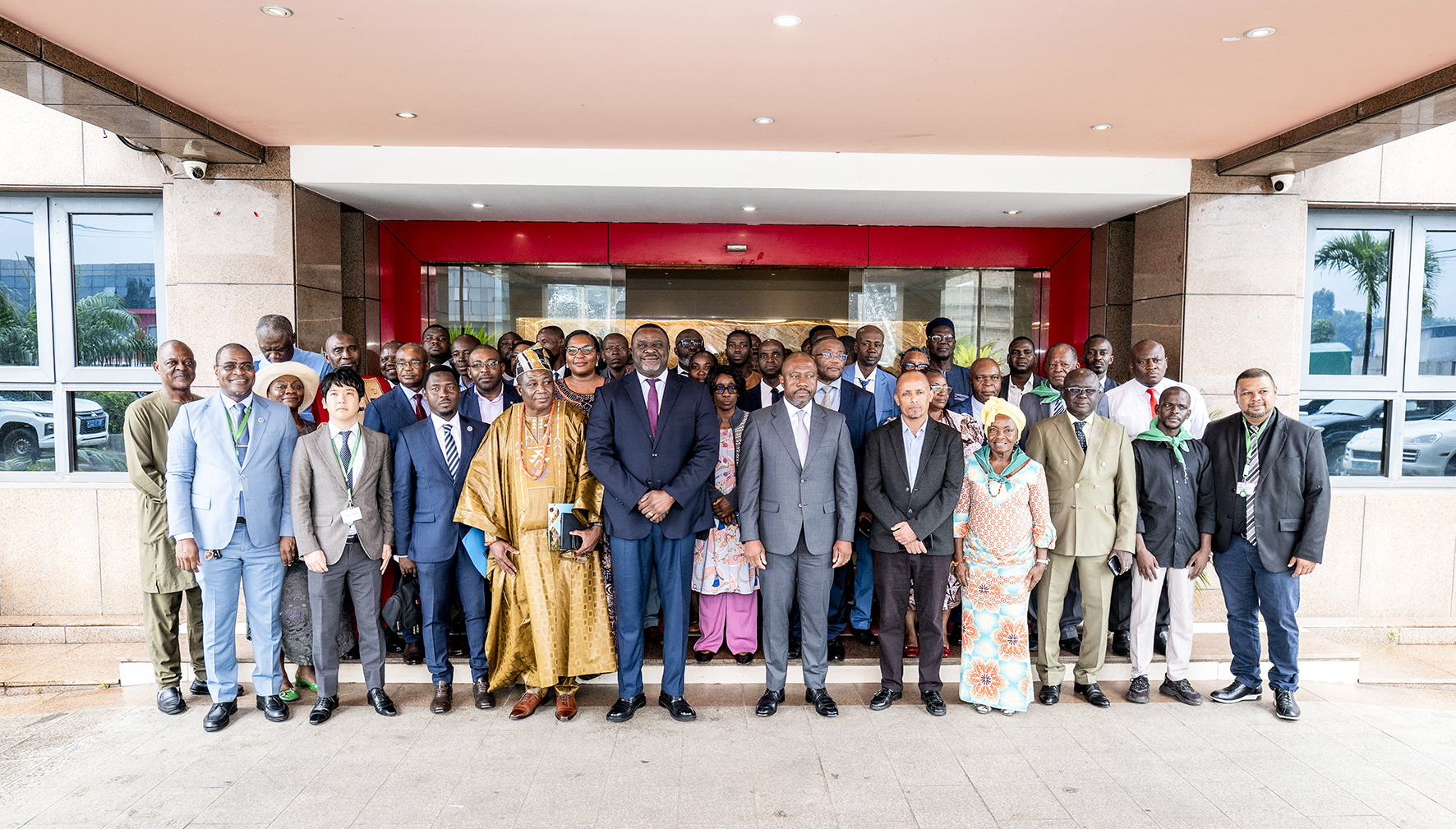
Under the patronage of the Commission of the Economic Community of Central African States (ECCAS) with the financial support of the Alliance for a Green Revolution in Africa (AGRA), this regional meeting brought together sectoral experts from Burundi, Cameroon, Central African Republic, Congo, Gabon, Equatorial Guinea, Democratic Republic of Congo, Sao Tome and Principe and Chad, specialized institutions and ECCAS agencies, representatives of CEMAC, technical and financial partners, as well as actors involved in the transformation of agri-food systems in Central Africa, including producer organizations and the private sector.
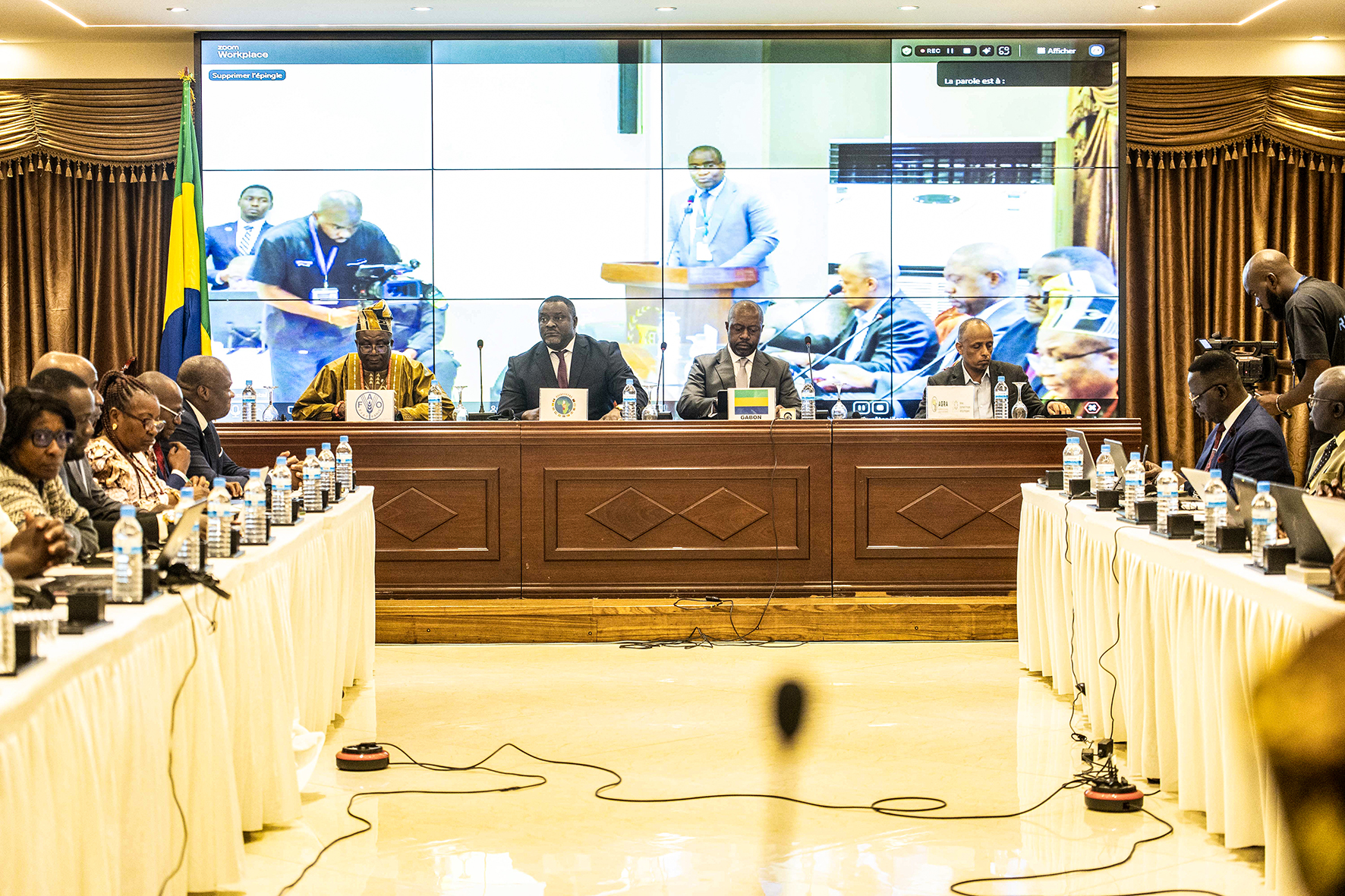
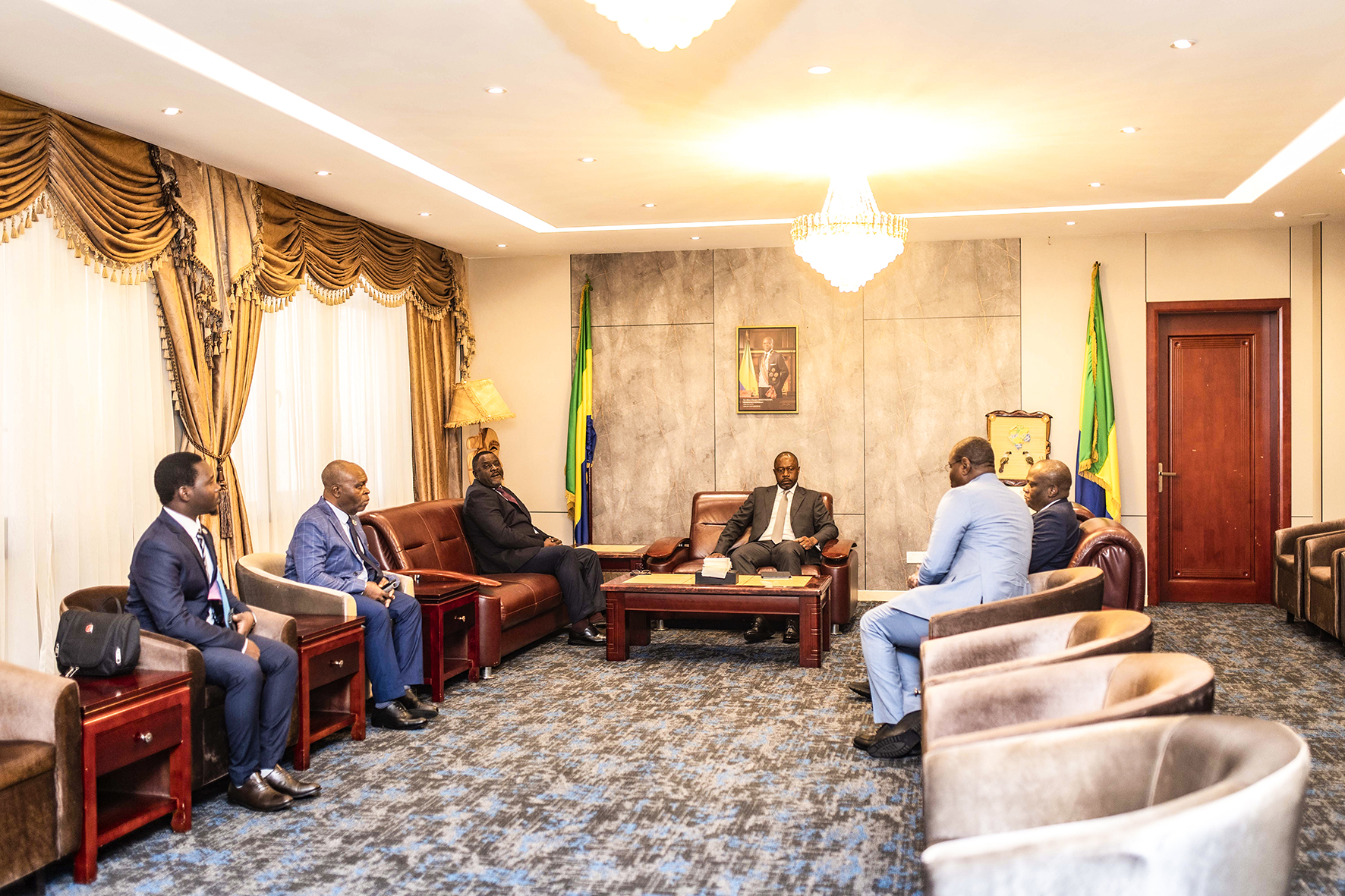
The opening ceremony, chaired by the Commissioner for the Environment, Natural Resources, Agriculture and Rural Development (DERNADR) His ExcellencyMaxime NZITA NGANGA DI MAVAMBUwas marked by the participation of the Gabonese Minister of Agriculture, Livestock and Food Sovereignty His ExcellencyKOSSY Pacômeand the Representative of the Coordinator of the FAO Sub-Regional Office for Central Africa, His ExcellencyCyprien BIAOU.
From the outset, the Government of Gabon has reaffirmed its commitment to productive, sustainable and resilient agriculture, capable of contributing to food sovereignty, job creation and reduced dependence on imports. For its part, FAO has renewed its readiness to support ECCAS and its member States in strengthening agricultural policies, improving food systems and implementing structural initiatives for the benefit of the people.
For three days, participants reviewed the implications of the Kampala Declaration, adopted under the new cycle of the AADP for the period 2026-2035. The discussions allowed participants, in particular the representatives of the Member States, to appropriate the new Kampala commitments while recognizing that domestication of Kampala DPDA should not be limited to an administrative exercise of aligning planning documents, but rather should become a political, strategic and programmatic process aimed at placing agriculture at the heart of economic transformation, regional integration, food and nutrition security and community resilience.
The work also produced a roadmap to support Member States in the transition from Malabo-generation National Agricultural Investment Plans (PNIA) to PNIA aligned with the commitments of the Kampala DPDAA. The road map provides for the political engagement of the high authorities in the Member States in the short term, the evaluation of existing NAIPs, the identification of alignment gaps, the mobilization of national stakeholders, the updating of results frameworks and the strengthening of coordination mechanisms.
In the medium term, Member States will need to deepen the formulation of their next generation NPIAs, further integrate the challenges of nutrition, climate, gender, youth employment, local transformation, intra-regional trade and agricultural financing. They will also need to strengthen their monitoring, evaluation and mutual accountability mechanisms to measure progress and ensure greater coherence between national priorities and continental commitments.
The second highlight of the workshop was the validation of the Regional Strategy for Rice Development in Central Africa (SRDR-AC), a strategy that appears to be a structural response to the region's strong dependence on rice imports, while Central Africa has significant potential in land, water, agro-friendly areas, labour and consumer markets.
Participants welcomed the relevance of this strategy, which aims to make rice a priority regional sector capable of contributing to food sovereignty, reducing imports, creating local added value and improving producers' incomes.
The workshop helped to consolidate the main technical orientations of the strategy and stressed the need to move quickly from validation to funding and implementation.
The Libreville meeting clarified the role of the ECCAS Commission and, in particular, DERNADR as an institution for regional coordination, facilitation, advocacy and mobilization of partnerships, which will now have to accompany the Member States in aligning their PNIAs.
ECCAS expects structured support from its partners to finalize the regional support tools, mobilize specialized expertise, organize national consultations, strengthen the regional coordination mechanism of the AADP, establish a regional monitoring mechanism for progress and prepare a portfolio of bankable projects, including rice cultivation, food security, inputs, irrigation, mechanization and agri-food processing.
FAO, continental institutions, technical and financial partners, specialized institutions and agencies implementing ECCAS and CEMAC, cooperation mechanisms and the private sector are thus called upon to play a key role in this new phase.
At the end of the work, participants expressed their satisfaction with the quality of the discussions, the relevance of the guidelines and the participatory spirit that marked the whole workshop. The Libreville workshop thus marks an important step in relaunching the Central African regional agricultural agenda. It opens a new sequence: effective domestication of the Kampala AADP, alignment of the AAPs, resource mobilization and implementation of the Regional Rice Development Strategy.
Beyond the documents presented and validated, including the CAP, PRIA and SRDR-AC, this is a regional dynamic that is in place and calls for more coordination, investment, coherence and results for producers, consumers, young people, women and national economies.
During the closing ceremony, ECCAS and its partners recalled that agriculture can no longer be considered a secondary sector. It is now at the heart of food sovereignty, economic resilience and regional integration in Central Africa. The challenge is now clear: it is about making the adopted roadmap a real instrument for action, transformation and results.