 FR
FR
 EN
EN
 ES
ES
 PT
PT
ECCAS reaffirms its commitment to the illicit trade in small arms and light weapons in Central Africa
New York, 5 June 2026 (United States of America) – At the Ninth Biennial Meeting of States on the United Nations Programme of Action to Combat the Illicit Trade in Small Arms and Light Weapons, held from 1 to 5 June 2026 in New York, General of Army Corps ..
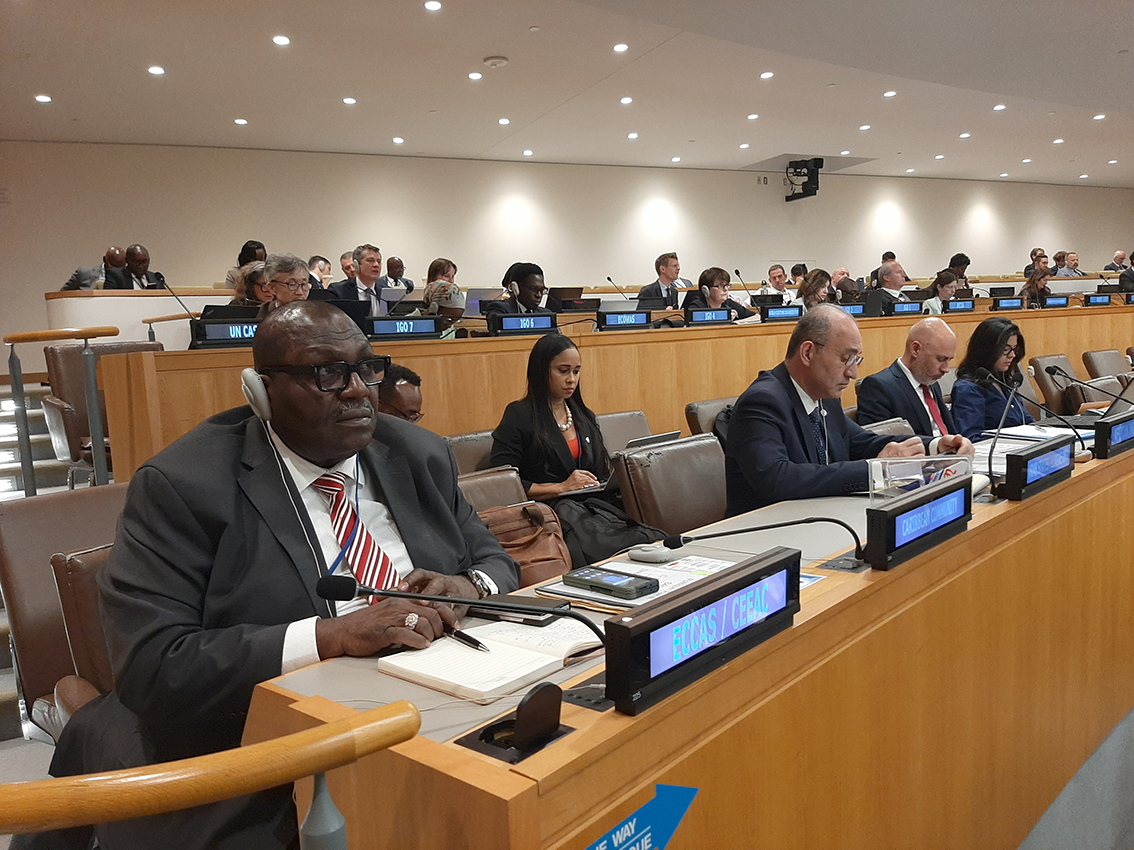
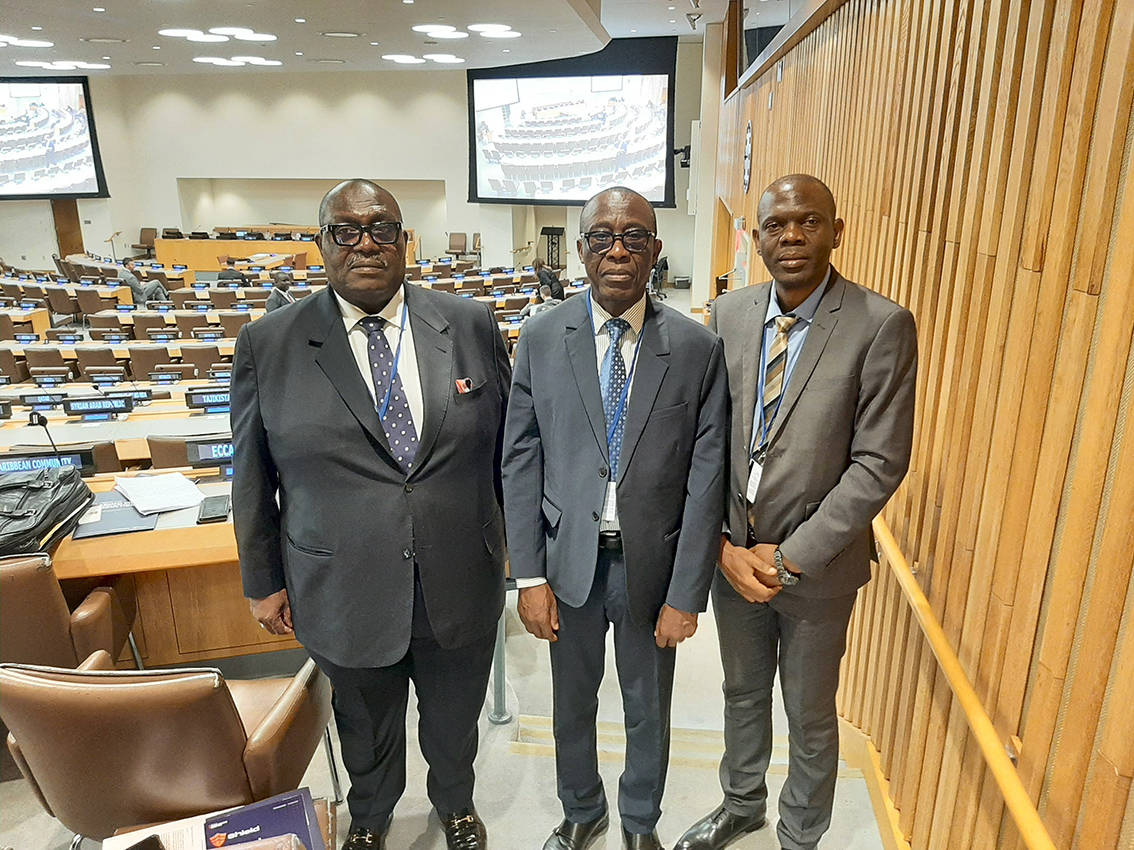
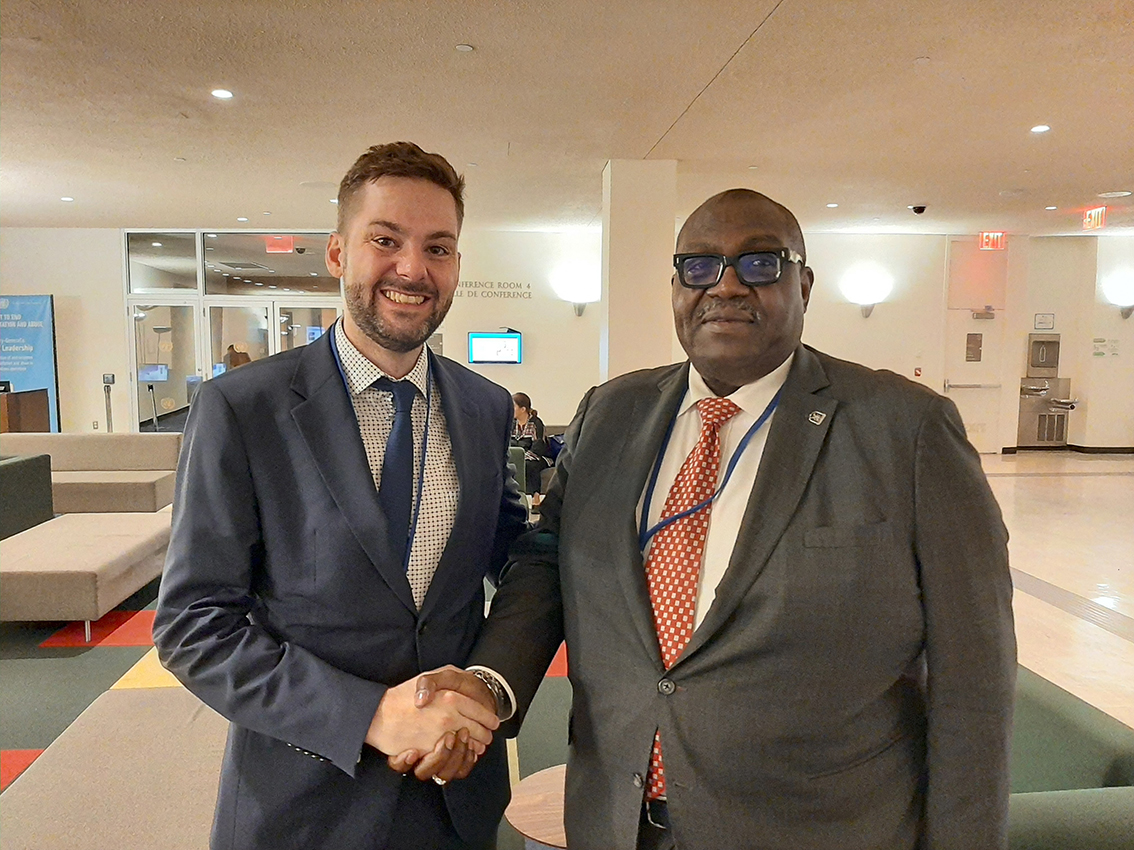
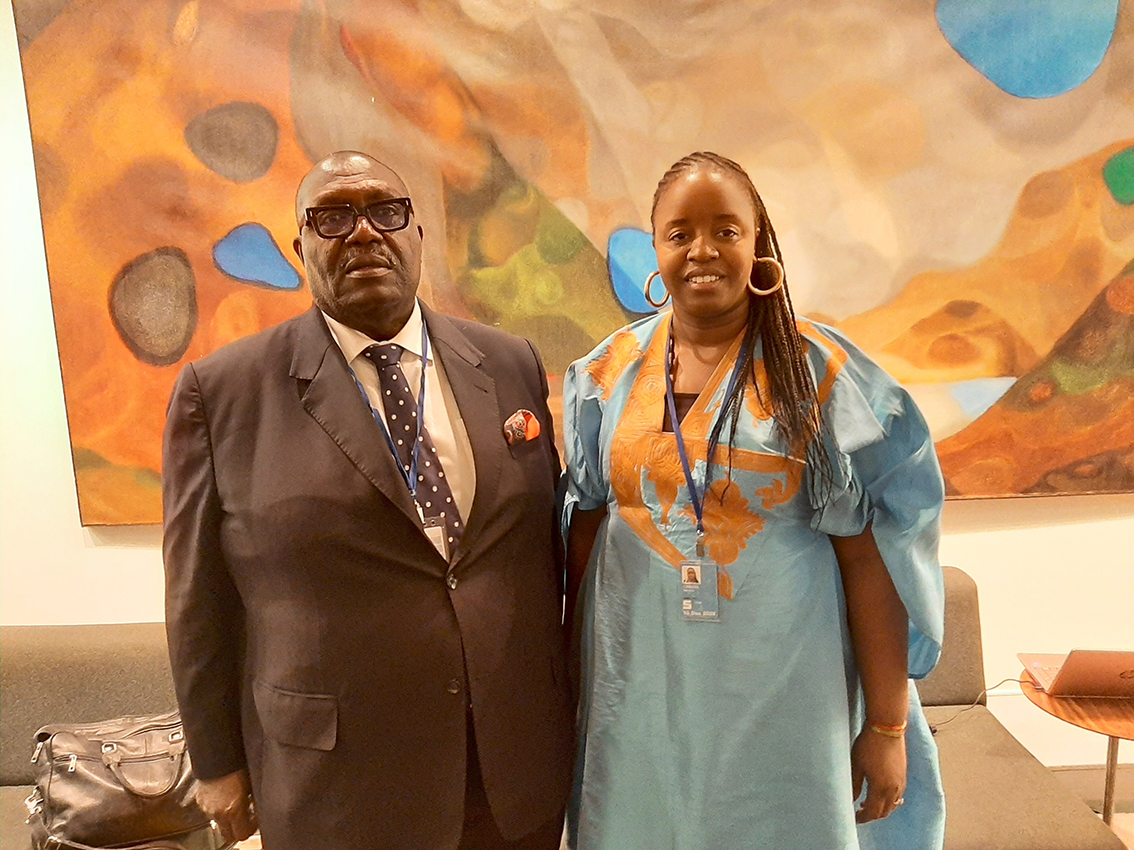
New York, 5 June 2026 (United States of America ) – At the Ninth Biennial Meeting of States on the United Nations Programme of Action to Combat the Illicit Trade in Small Arms and Light Weapons, held from 1 to 5 June 2026 in New York, General de Corps d'Armée Marcel MAPANGOU MOUSSADJI, Commissioner for Political Affairs, Peace and Security, presented the progress made by Central Africa while calling for enhanced international cooperation to address the new security challenges.
The proliferation of weapons, a persistent threat to peace
Speaking on behalf of the Commission of the Economic Community of Central African States (ECCAS), General Marcel MAPANGOU MOUSSADJI recalled that the illicit circulation of small arms and light weapons remains one of the main causes of insecurity and conflict in Central Africa.
The excessive accumulation and misuse of such weapons fuel violence, slow down the socio-economic development of States and particularly affect women and children. He also stressed that the ease of arms acquisition favours a vicious circle of insecurity fuelling demand, while the influx of weapons further exacerbates conflicts.
The Commissioner referred to a number of challenges facing the subregion, including the control of arms held by armed groups, the security of national stockpiles, the tracing of unmarked or manufactured weapons through new technologies, and the harmonization of national legislation with regional and international legal instruments.
Concrete progress through the Kinshasa Convention
In response to these challenges, ECCAS continues to implement the Kinshasa Convention, the main regional legal instrument adopted in 2010 and entered into force in 2017 to combat the proliferation of small arms and light weapons.
To date, nine of the eleven ECCAS member States have ratified the Convention, while five countries already have a national commission to monitor small arms and light weapons. The Commission also assists States in the establishment of national coordination mechanisms, the development of action plans, the harmonization of legislative frameworks, the marking and tracing of weapons, the establishment of databases and the collection and destruction of illicit or obsolete weapons.
General de Corps d'Armée Marcel MAPANGOU MOUSSADJI also announced that the Commission is working on the adoption of a five-year programme to accelerate the implementation of the Kinshasa Convention and to contribute to the achievement of the African Union's vision of "Sailing arms in Africa by 2030".
Finally, ECCAS called on the international community to strengthen its technical and financial support to address new forms of weapons manufacturing, including those using 3D printing technologies and polymers, while further integrating the impact of weapons on women and children into international policies to prevent and combat their proliferation.