 FR
FR
 EN
EN
 ES
ES
 PT
PT
Elections in the Central African Republic: ECCAS Mission takes stock
Bangui, 29 December 2025 (Central African Republic) - The ECCAS (Economic Community of Central African States) International Election Observation Mission presented its preliminary statement on the general elections held in the Central African Republic. The main finding is that a vote organised in a "peaceful climate", marked by the responsibility of the actors ..
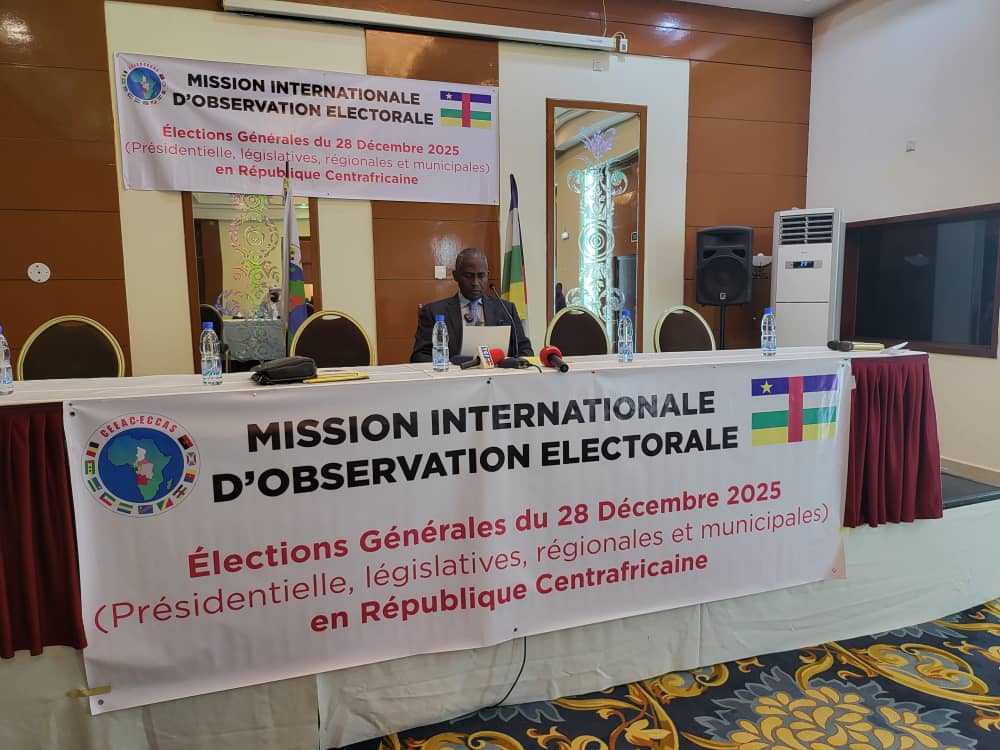
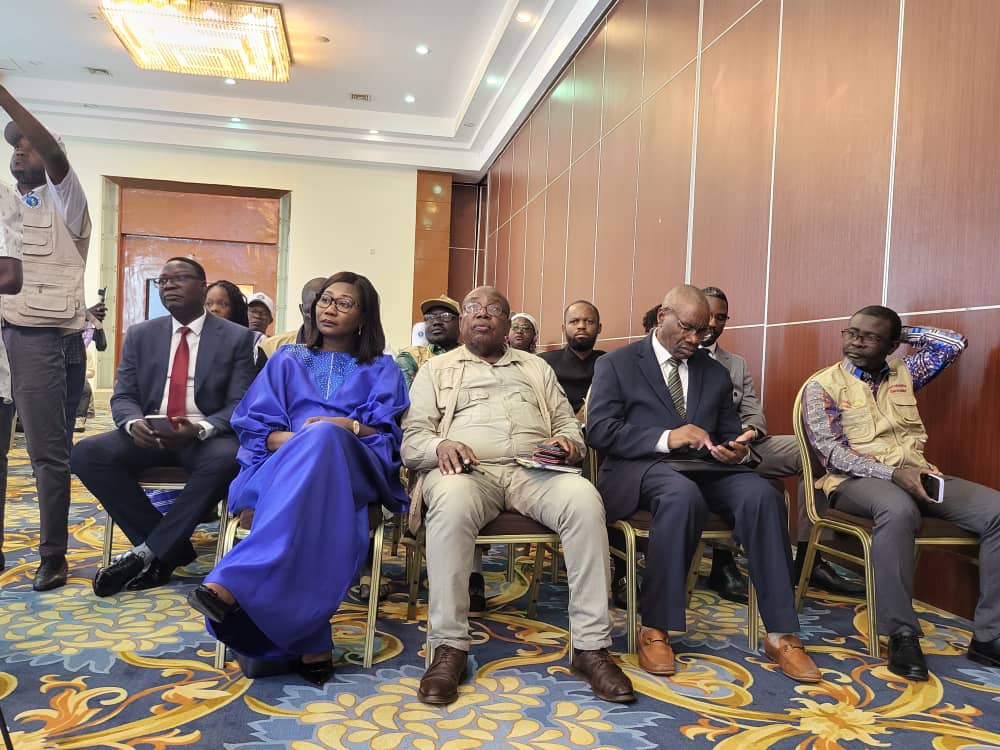
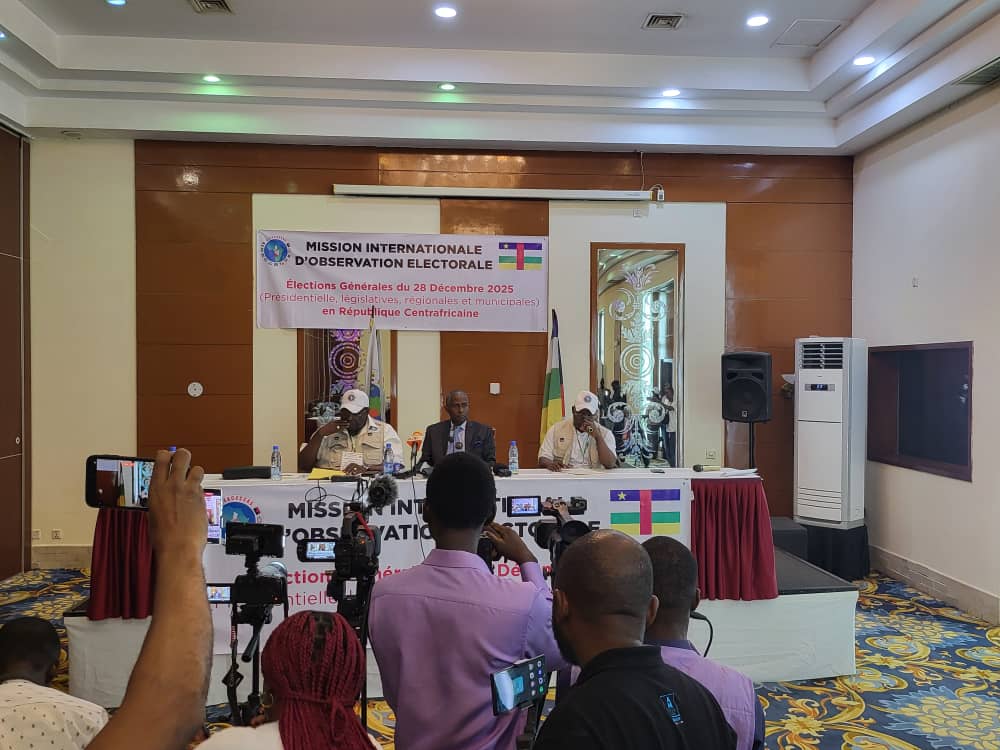
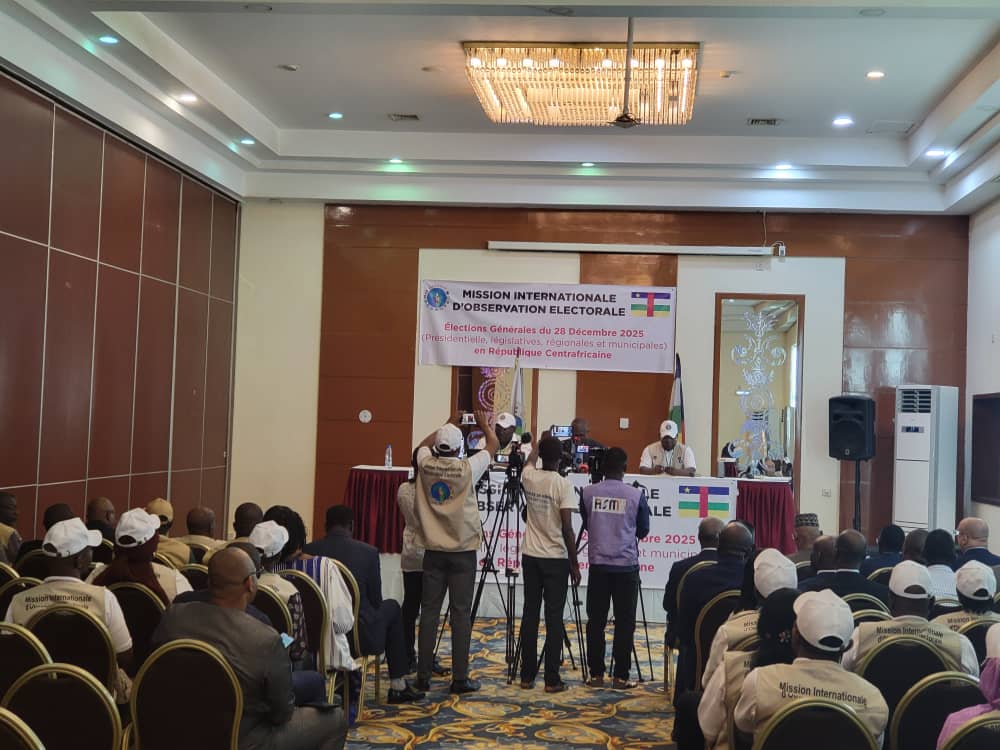
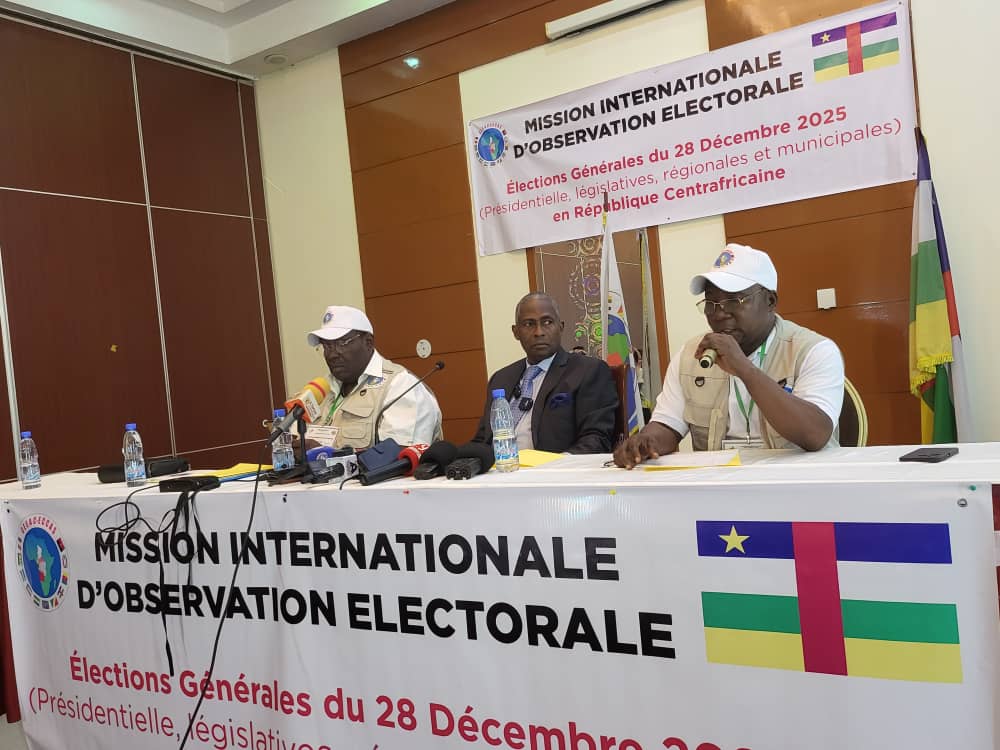
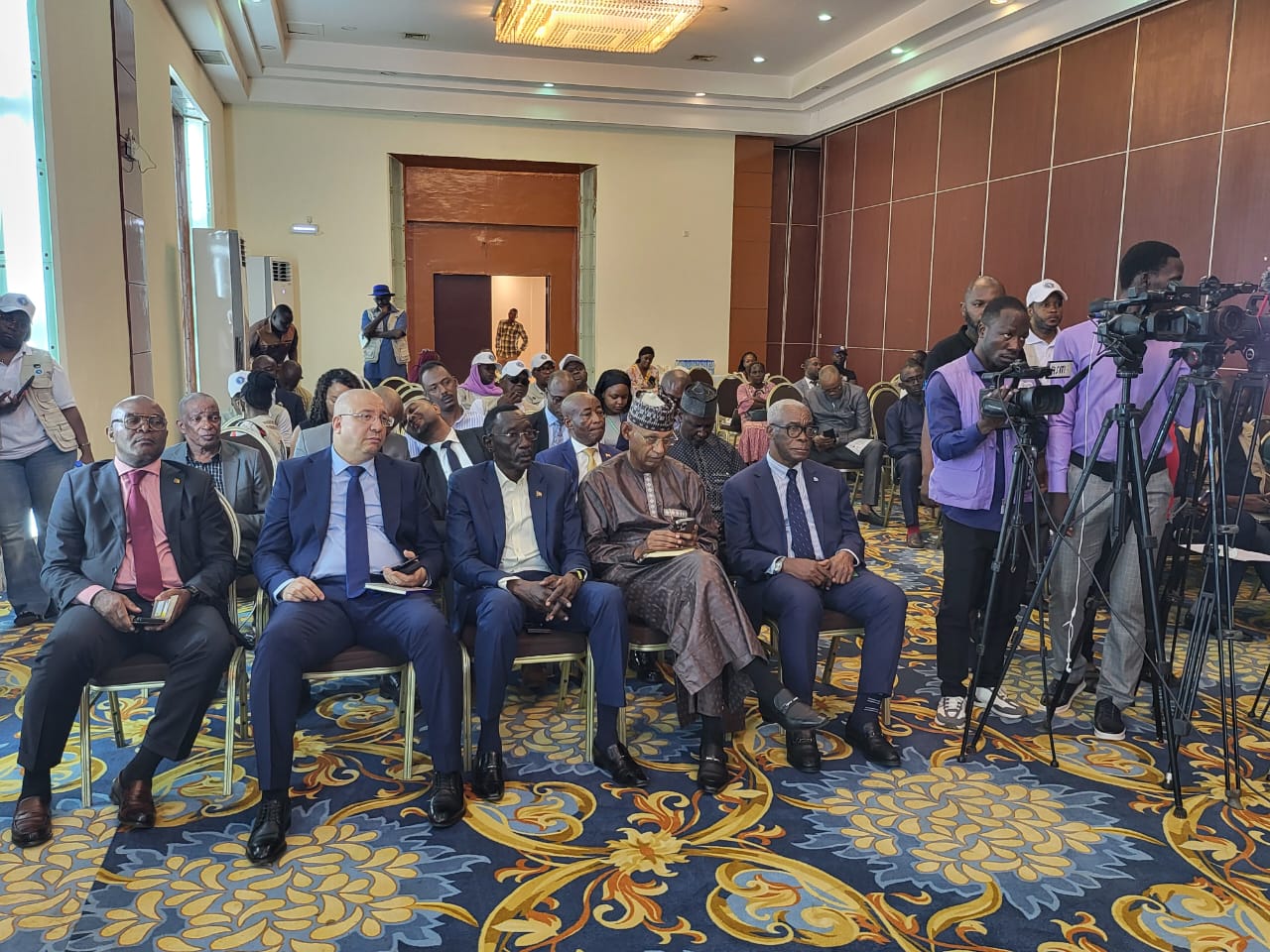
Bangui, 29 December 2025 (Central African Republic) -The ECCAS (Economic Community of Central African States) International Election Observation Mission presented its preliminary statement on the general elections held in the Central African Republic. The main finding is that a vote is organised in a "peaceful climate", marked by the responsibility of the actors and the active participation of voters, despite local delays in opening the offices.
A regional mission for a crucial election
On instructions from the Chairman of the ECCAS Commission, H.E. Mr. Ambassador Dr. Ezekiel Nibigira, a 22-member observation mission (coordinators and observers) was deployed from 24 to 31 December 2025. It was led by H.E. Mr. Gabriel Arcanjo Ferreira Da Costa and included experts from nine ECCAS member States. Its mandate is to observe the conduct of voting in the presidential, legislative, regional and municipal elections, and to assess the regularity of voting, on the basis of regional and international texts.
A context of institutional stability and security efforts
The Mission emphasizes that the elections were held within a political framework marked by "the stability and regular functioning of State institutions". It also notes "the considerable efforts made by the Government and international partners" to ensure the security of the electoral process throughout the national territory. The electoral campaign, observed in its last phase, was carried out in an overall "a calm climate", bearing witness to the Mission's "political maturity of the Central African people".
A relatively well-organised election, but differences
On voting day, the Mission, deployed in the nine districts of Bangui, noted several positive points:
· Equipment and personnel: Electoral material was available "on time, in sufficient quantity". The electoral staff showed "professionalism" and "good procedural control", with a significant presence of women and young people.
· Security and transparency: The presence of the defence and security forces was "discreet and non-intrusive". The secrecy of the vote was guaranteed and the counting took place in "a serene climate and transparency".
· Participation: Public participation is considered "encouraging".
However, some malfunctions were noted:
· Delayed opening: Although the official schedule (6-6 p.m.) was generally met, delays in opening occurred in places due to the late arrival of staff or equipment.
· Accessibility: Upstairs polling stations were "difficultly accessible" for people with reduced mobility, although staff were available to assist them.
· Voter cards: If voters could vote with other pieces of identification, the Mission stresses the importance of more effective distribution of voter cards prior to voting.
· Representation of candidates: A notable finding is the absence of candidates' representatives in "the majority of polling stations", while the law grants them the right to vote.
· Parity: The Mission also notes "a low rate of applications from young people and women".
Recommendations for upcoming elections
Following its observations, the Mission makes several recommendations to the Central African electoral process:
· At the National Elections Authority (NEA): Ensure early distribution of voter cards, continue training of electoral officers and strengthen civic education activities.
· To candidates and political parties: Systematically deploy representatives to polling stations, give priority to legal channels in case of contestation, and encourage more women and young people to apply.
· To civil society: Continue its crucial role in civic education and awareness raising, including the removal of voter cards.
· To international partners: Maintain support for the democratic consolidation process in the Central African Republic.
An encouraging step, further progress
The ECCAS Mission concludes on a "satisfactory" record and congratulates both the people of the Central African Republic for their "civilism" and the authorities for the "good organization" of the election. While highlighting logistical challenges and inclusion, this preliminary report paints a picture of an electoral process that has generally met standards, paving the way for a crucial period of counting and declaring results. The Mission recalls the importance of dialogue and legal channels for the continuation of the process. A more detailed final report will be submitted later to the Central African authorities and ECCAS.
This preliminary statement was held in the presence of the Minister of Foreign Affairs, La Francophonie and the Central Africans of the Foreigner, Minister of Public Security and the Diplomatic Corps accredited in CAR, the various national and international media.